Phuket
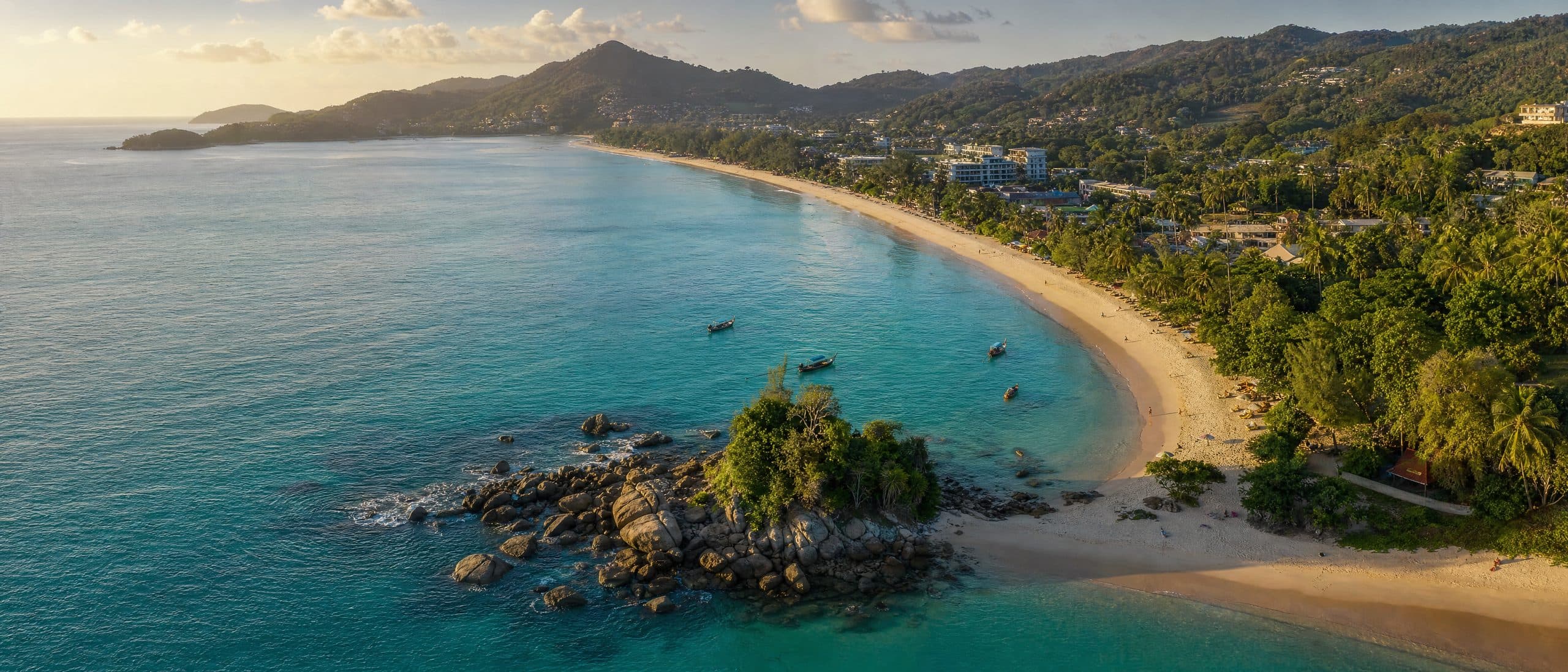
The Andaman's big island — beaches, Old Town charm, and islands in every direction.
Thailand's largest island is also its most complete — a pastel Sino-Portuguese old town, more than thirty beaches, island-studded seas in two directions, and some of the country's best spas. It's also home: our villas and our team live here. This is Phuket the way we'd show a friend.
Thirty beaches, twelve favorites.
Every beach below has its own full guide on our blog — written from living here, not from a press trip.
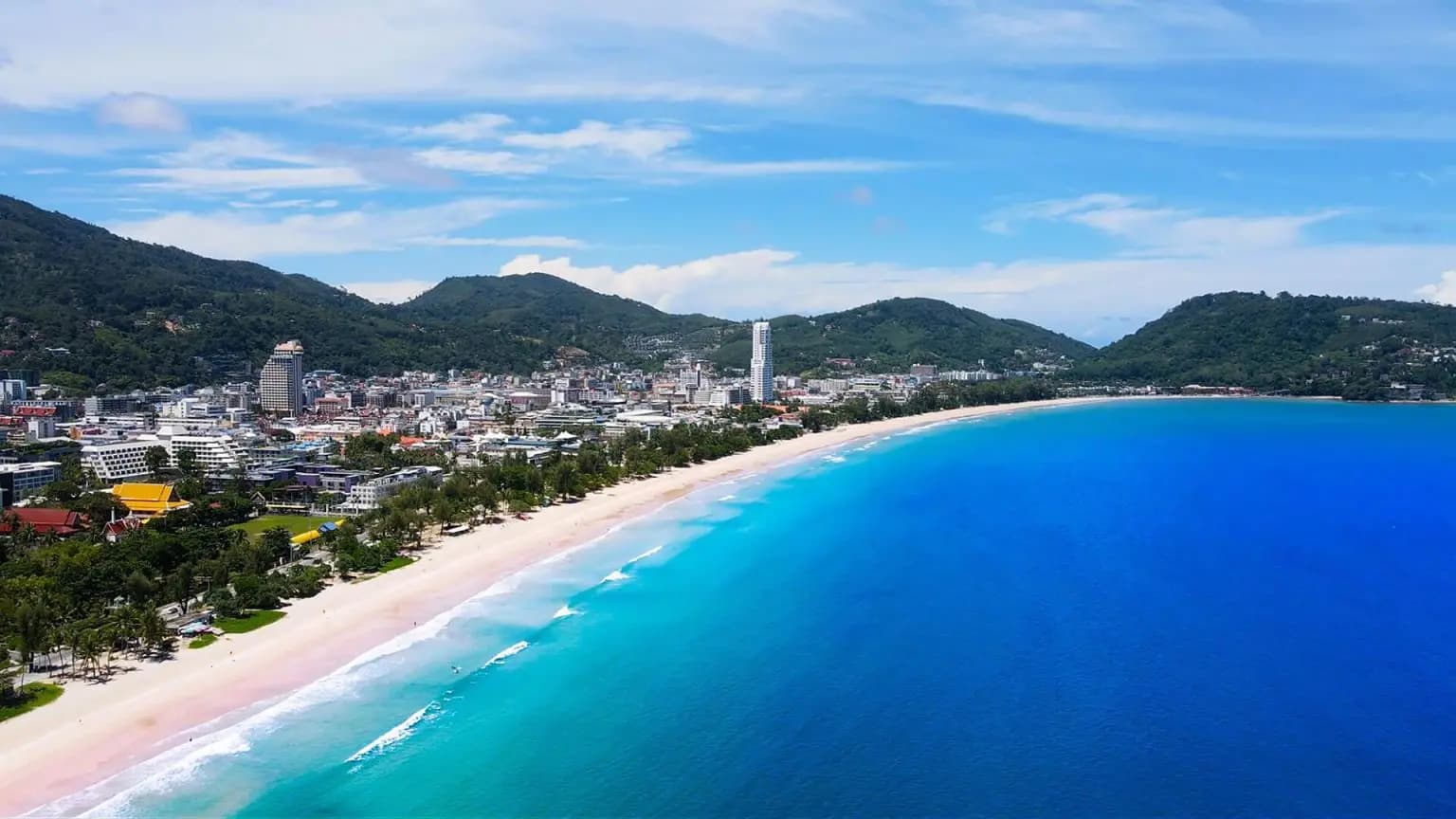
Patong Beach
Read the guide
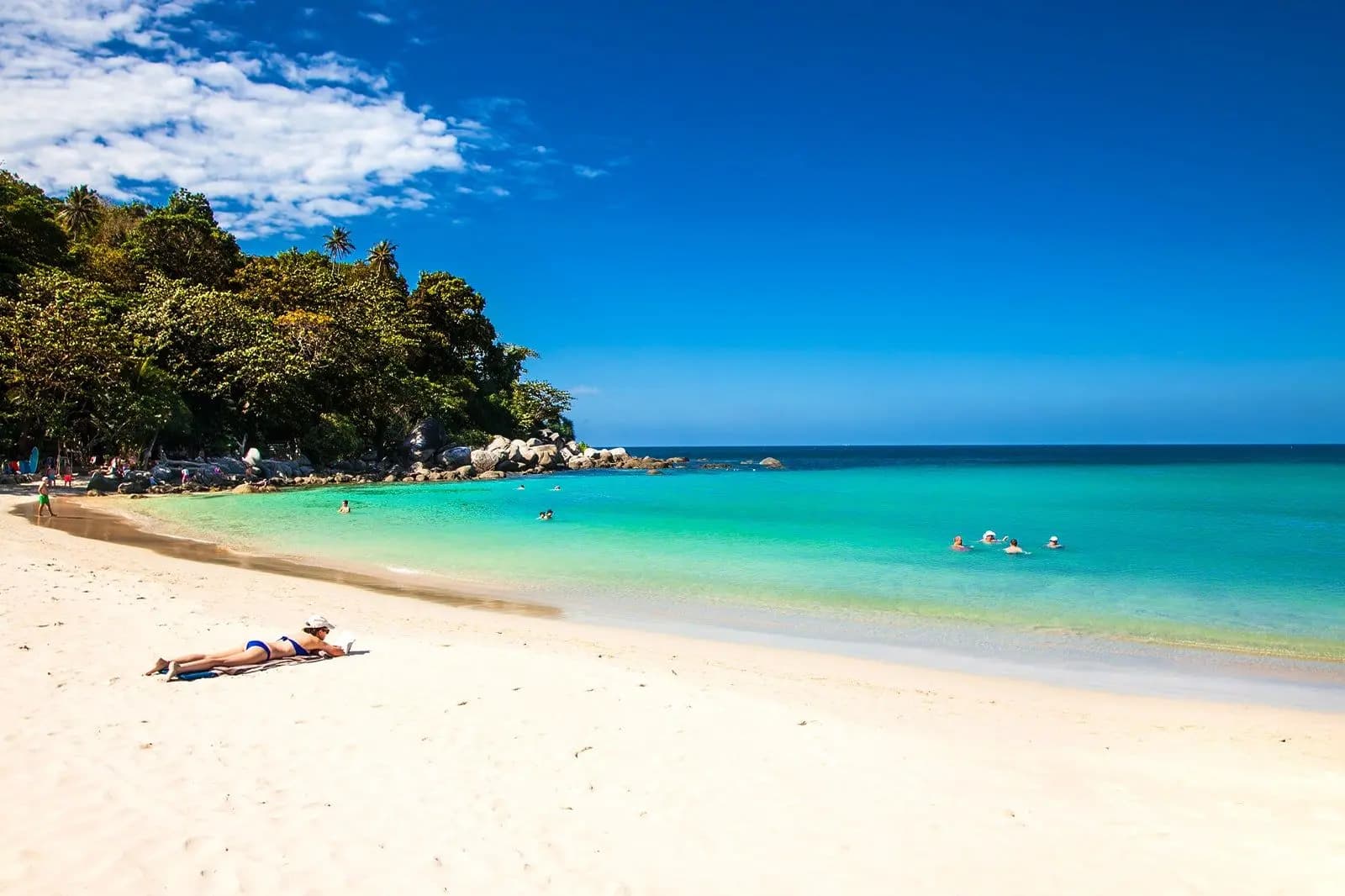
Kata Beach
Read the guide
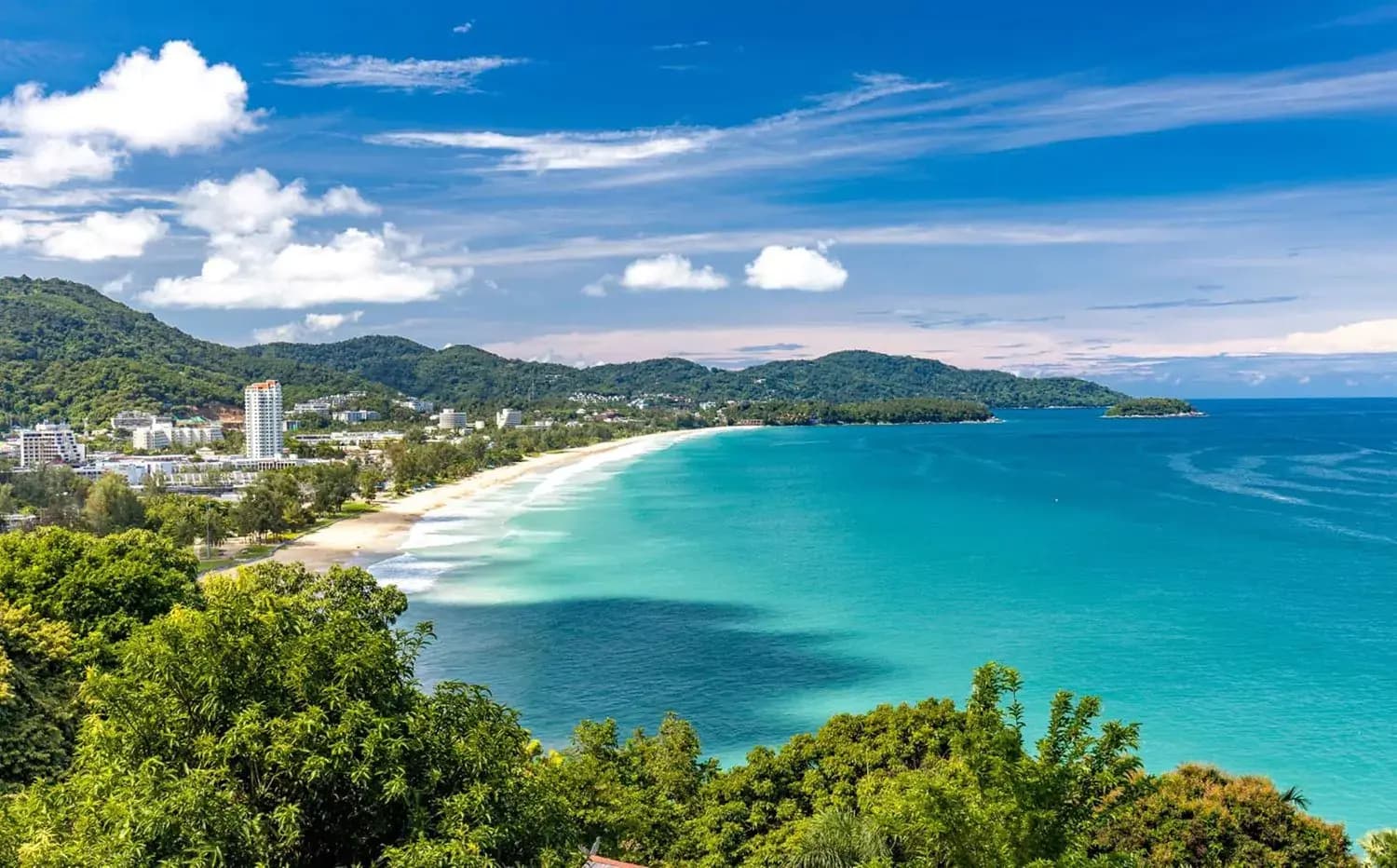
Karon Beach
Read the guide
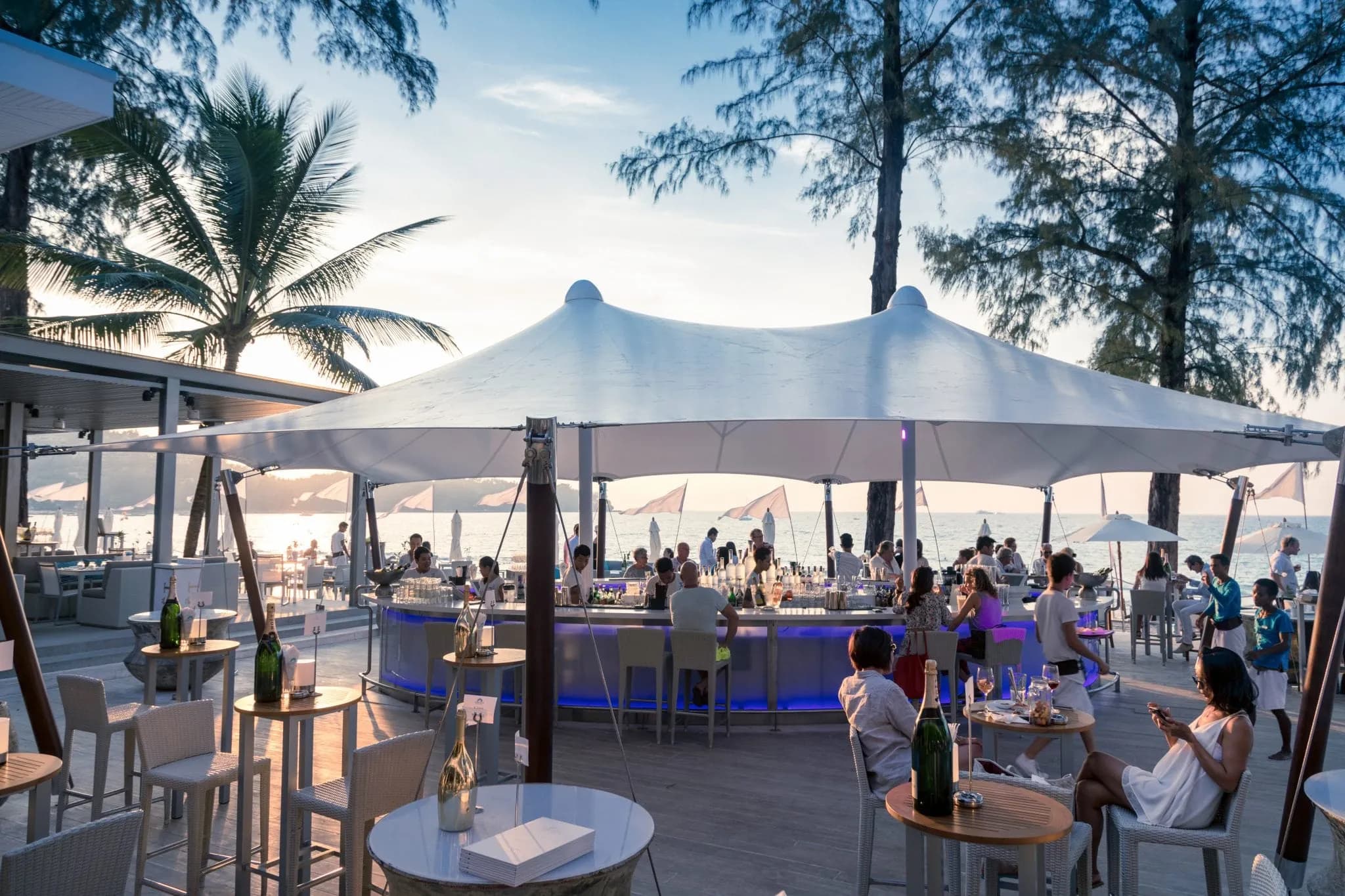
Surin Beach
Read the guide
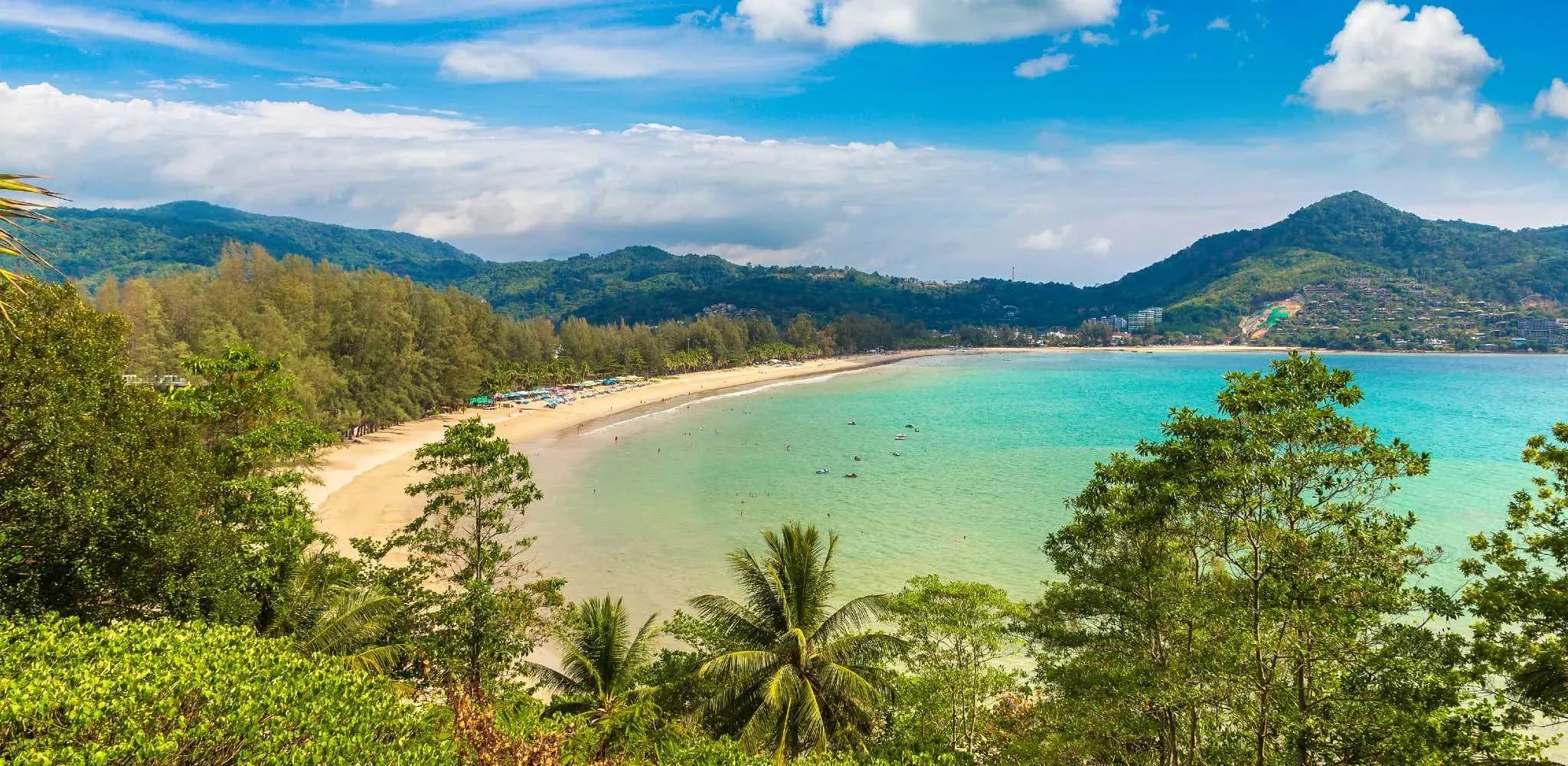
Kamala Beach
Read the guide
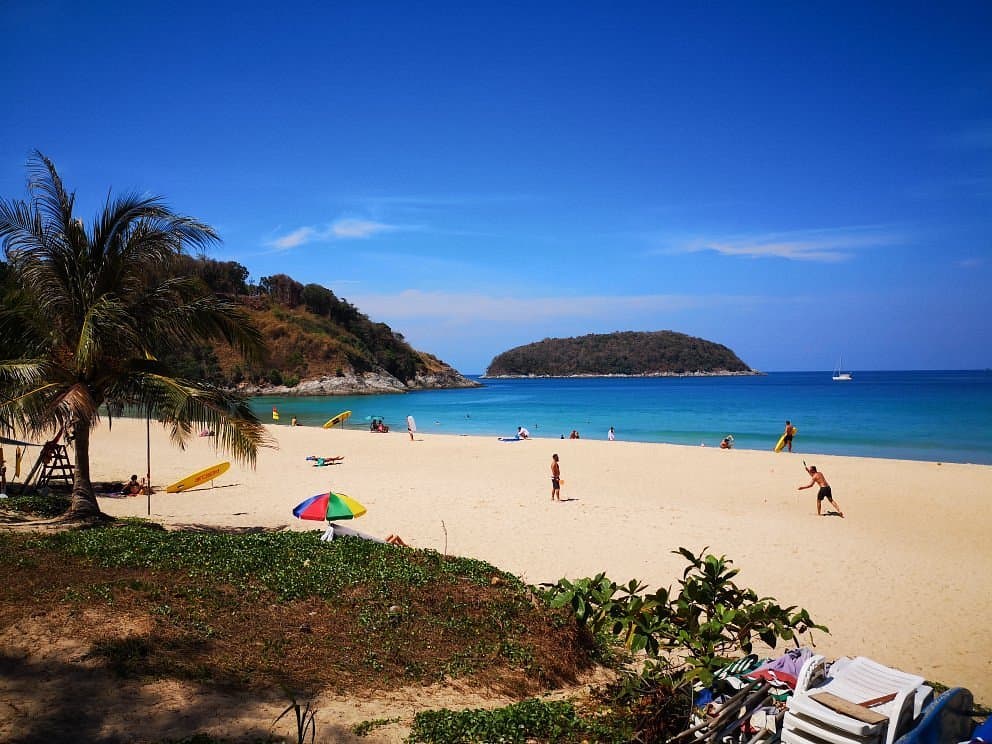
Nai Harn Beach
Read the guide
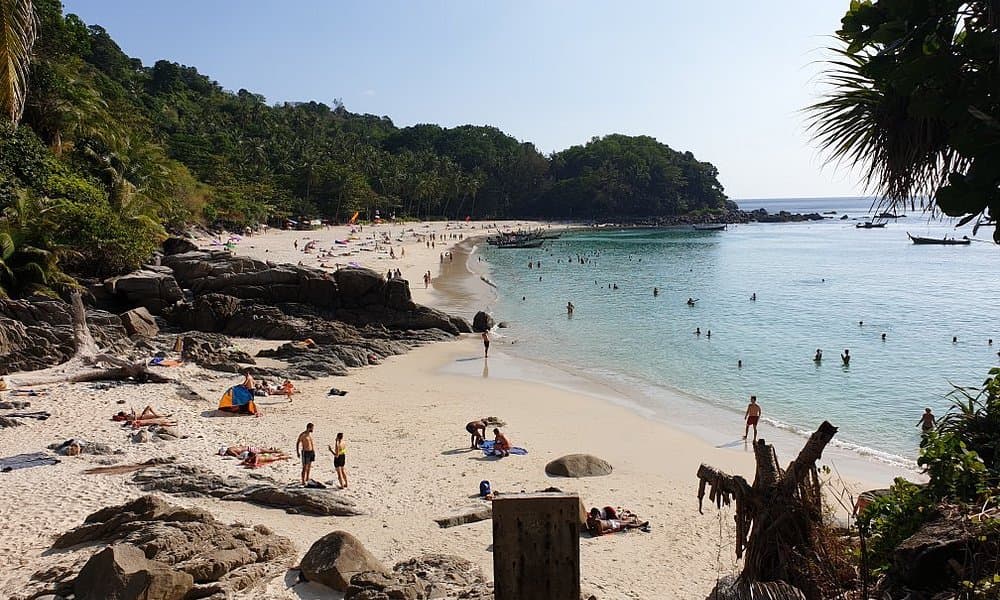
Freedom Beach
Read the guide
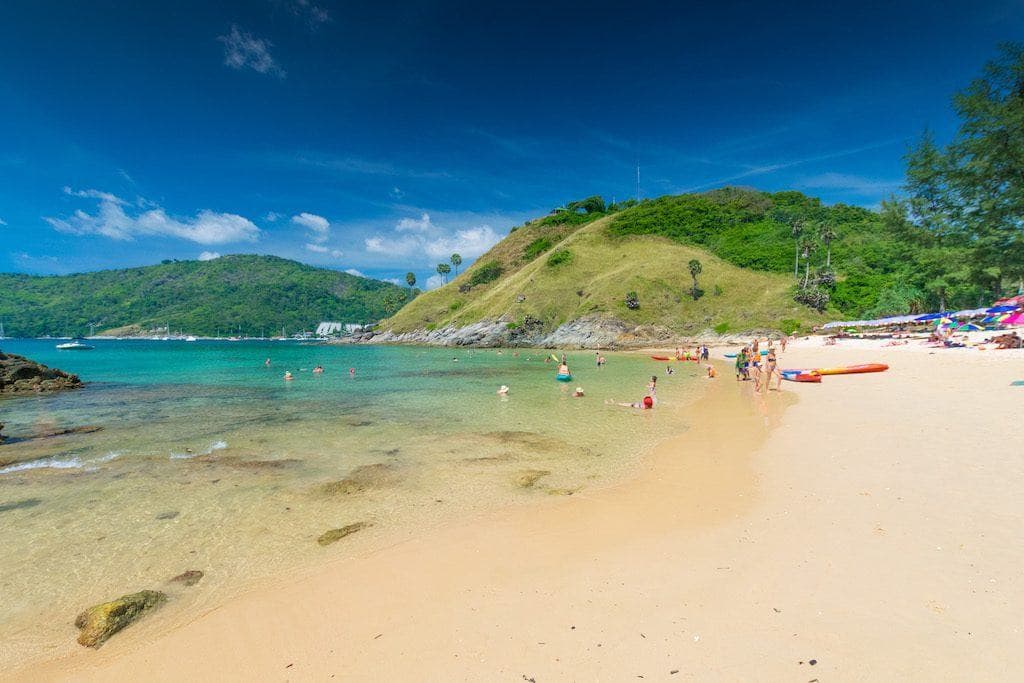
Ya Nui Beach
Read the guide
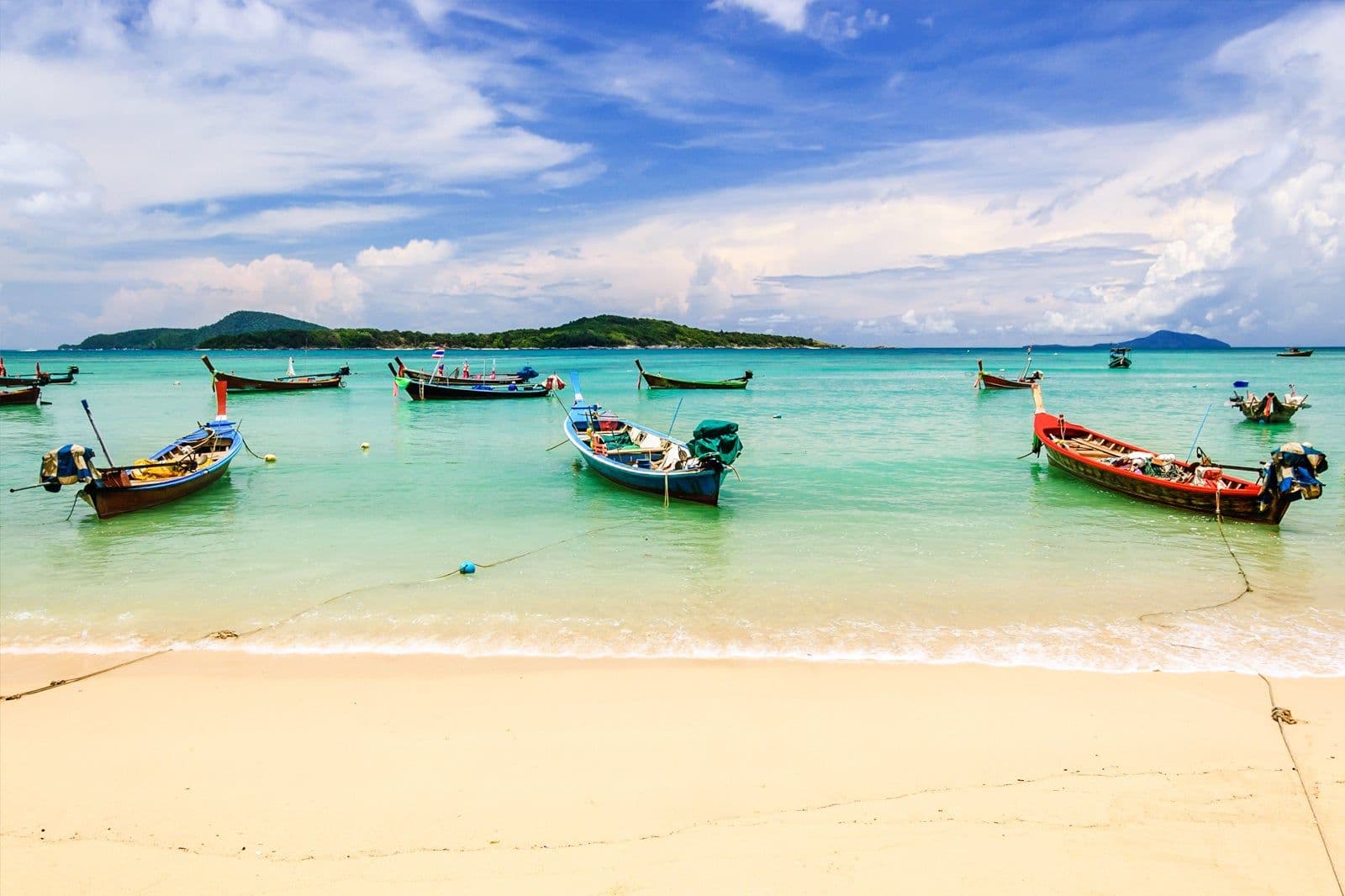
Rawai Beach
Read the guide
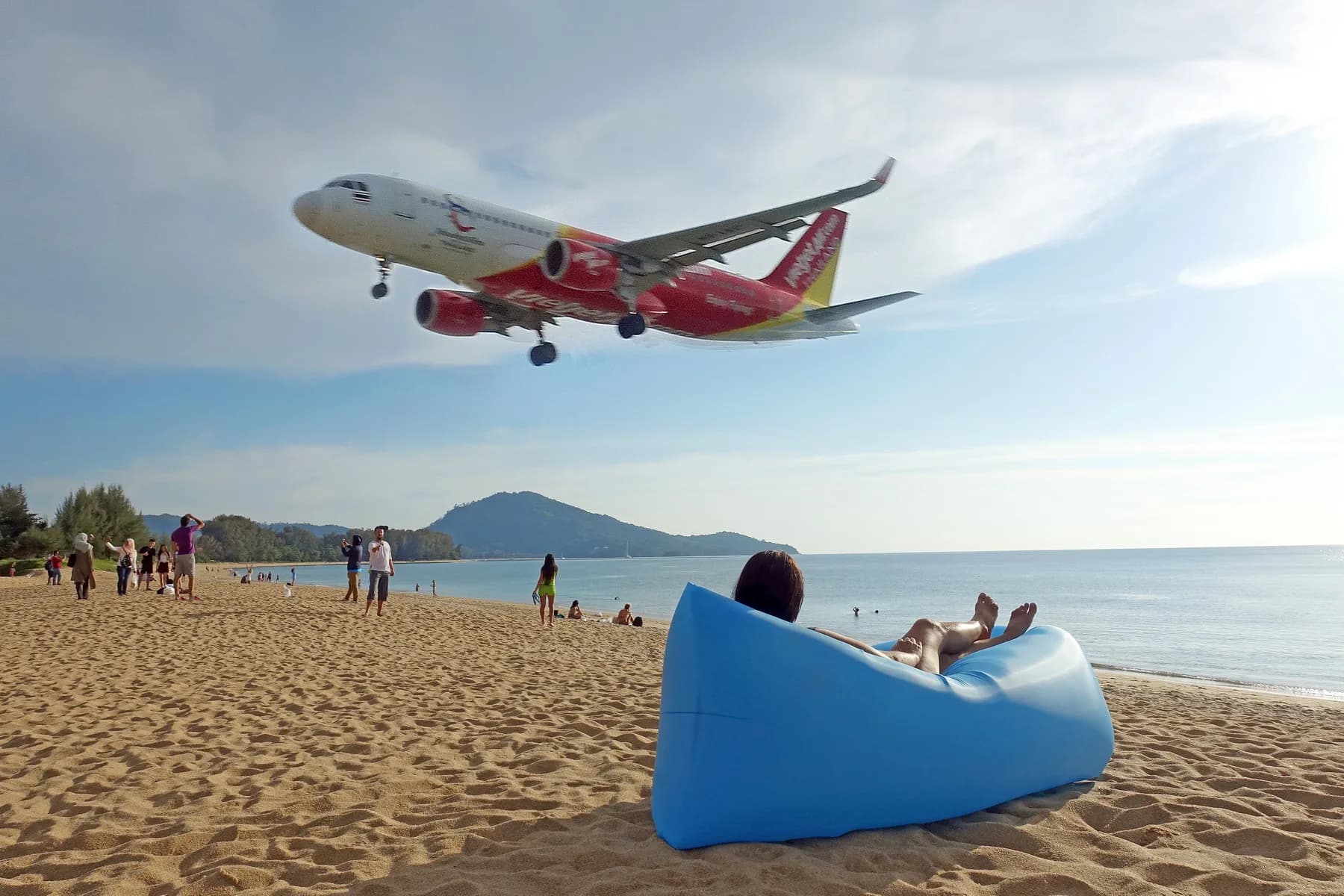
Mai Khao Beach
Read the guide
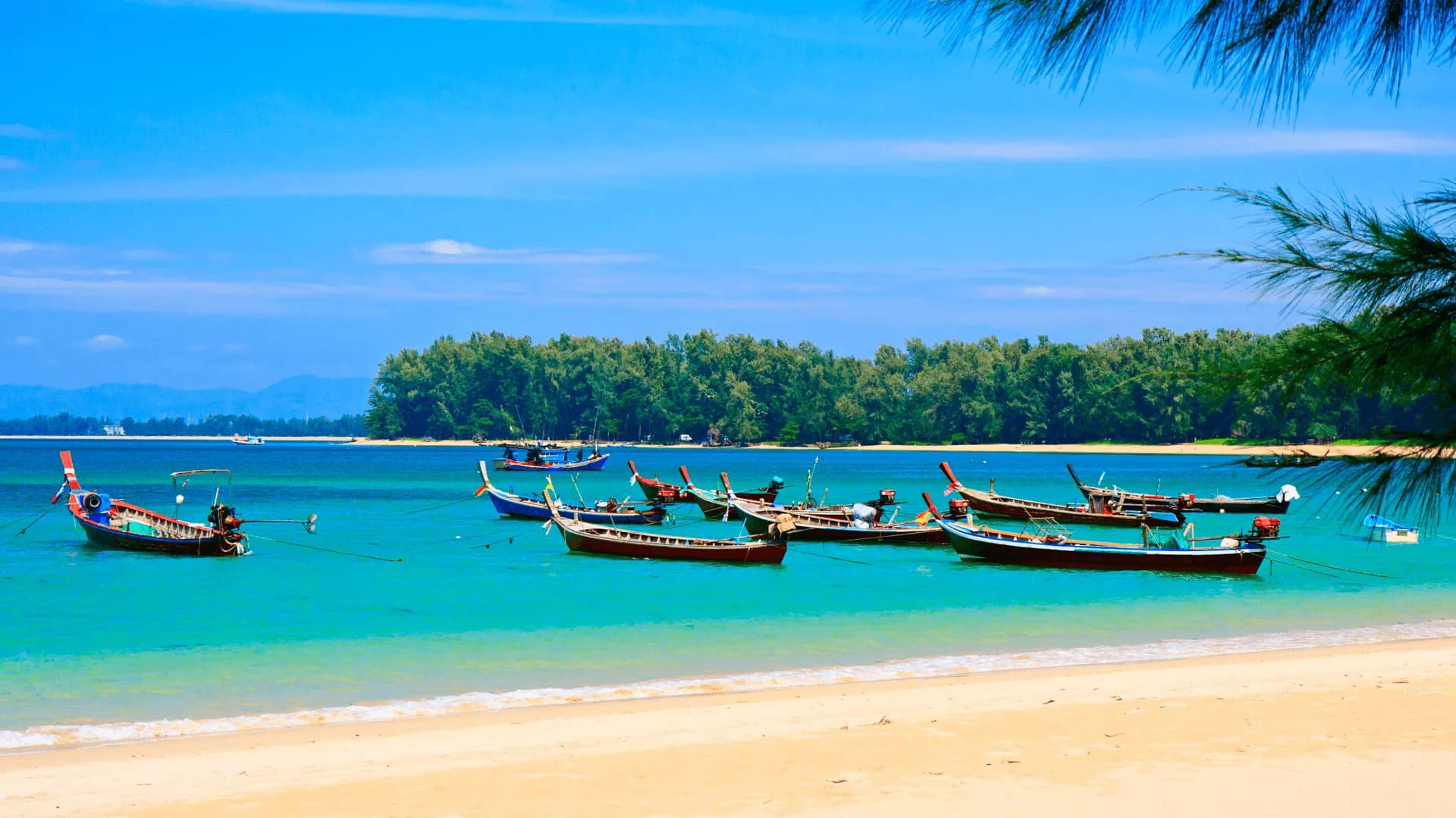
Nai Yang Beach
Read the guide
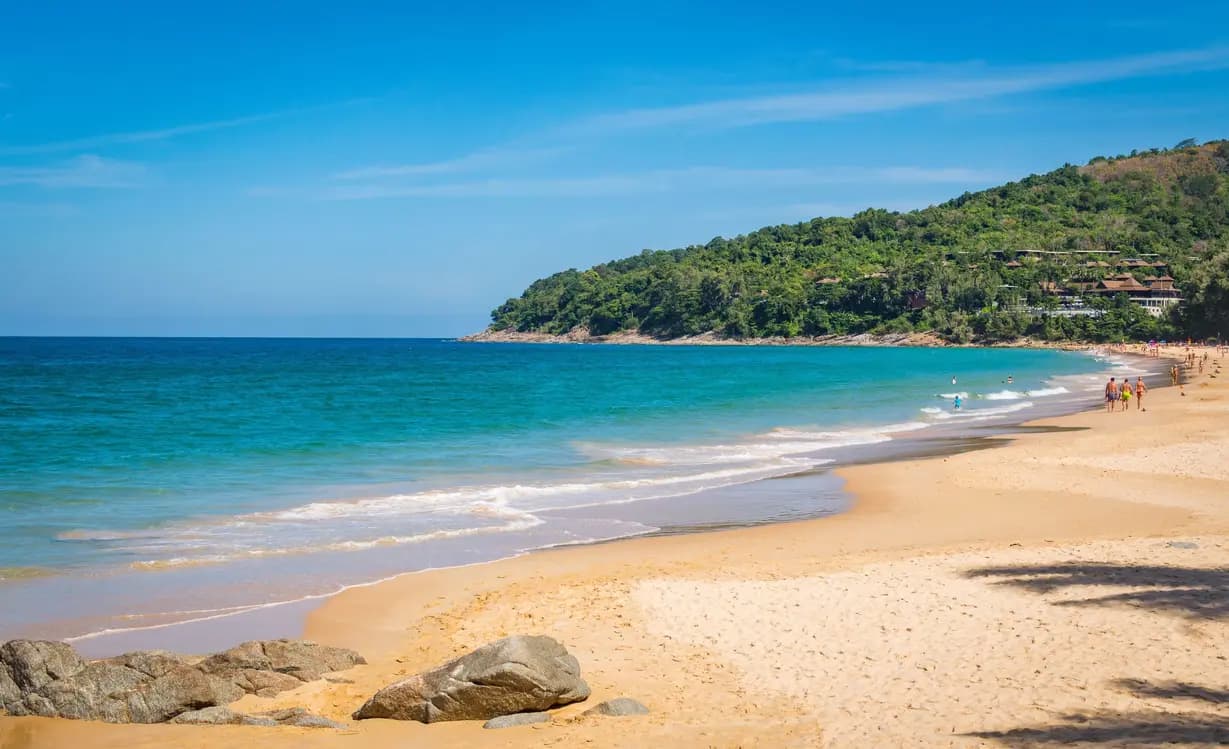
Nai Thon Beach
Read the guide
Culture — the island beyond the beach
Phuket's soul isn't on the sand. It's in the shophouse streets, the markets, and a heritage of tin-mining fortunes and Peranakan kitchens.
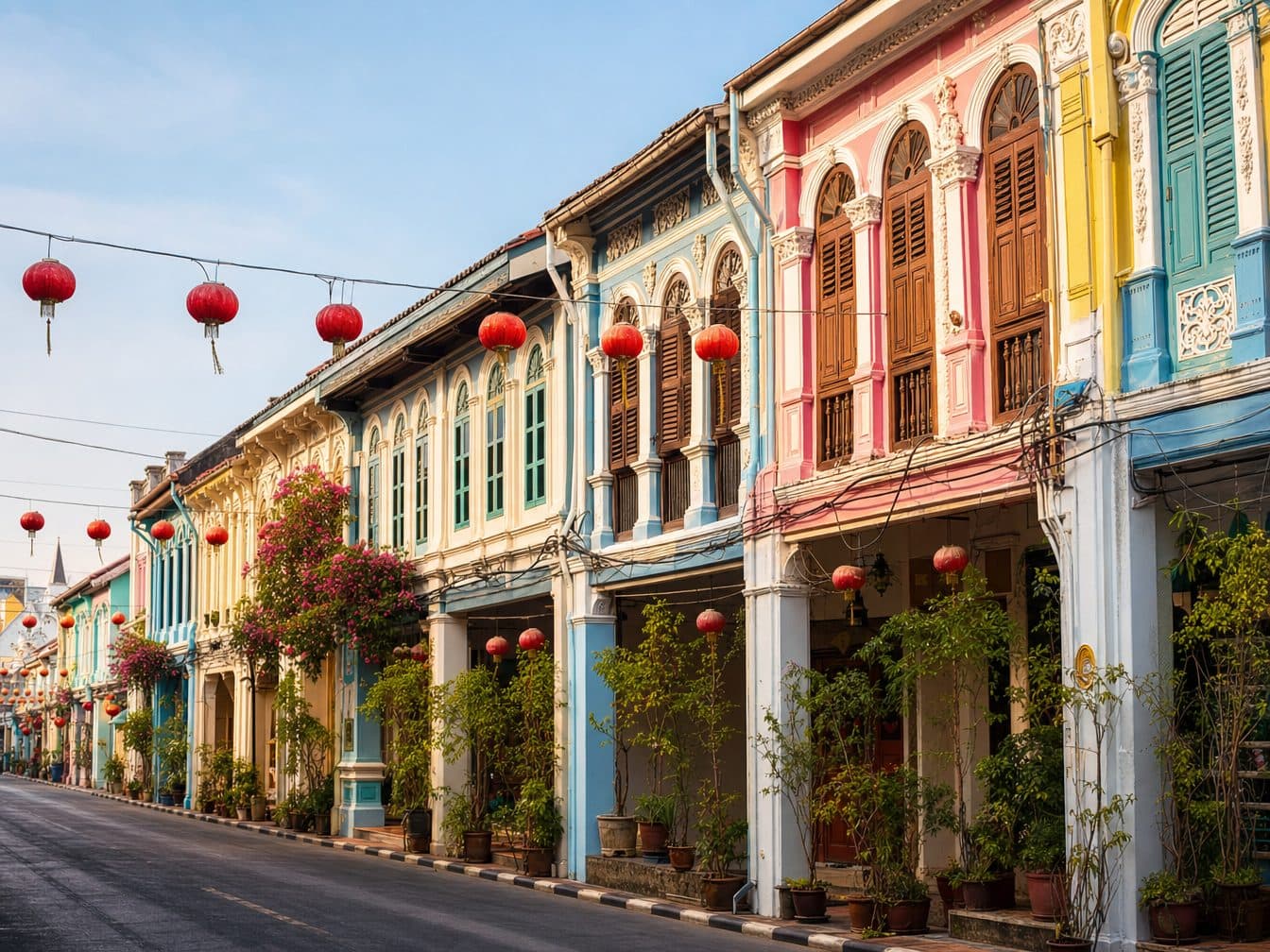
Phuket Old Town
Pastel Sino-Portuguese shophouses along Thalang and Dibuk Roads — cafés, galleries, and some of Thailand's best-preserved streetscapes.
Read the guideLard Yai Sunday market
Thalang Road closes to traffic on Sunday evenings — street food, local craft, and live music between the heritage facades.
Kathu village
The island's tin-mining heartland — quiet temples, an old-town museum, and the origin story of Phuket's fortunes.
Temples — from grand chedis to golden legends
Give the island one temple morning and it will repay you: go early, dress modestly, and take the hilltop light.
Wat Chalong
Phuket's most revered temple — its Grand Pagoda is said to enshrine a fragment of the Buddha's bone.
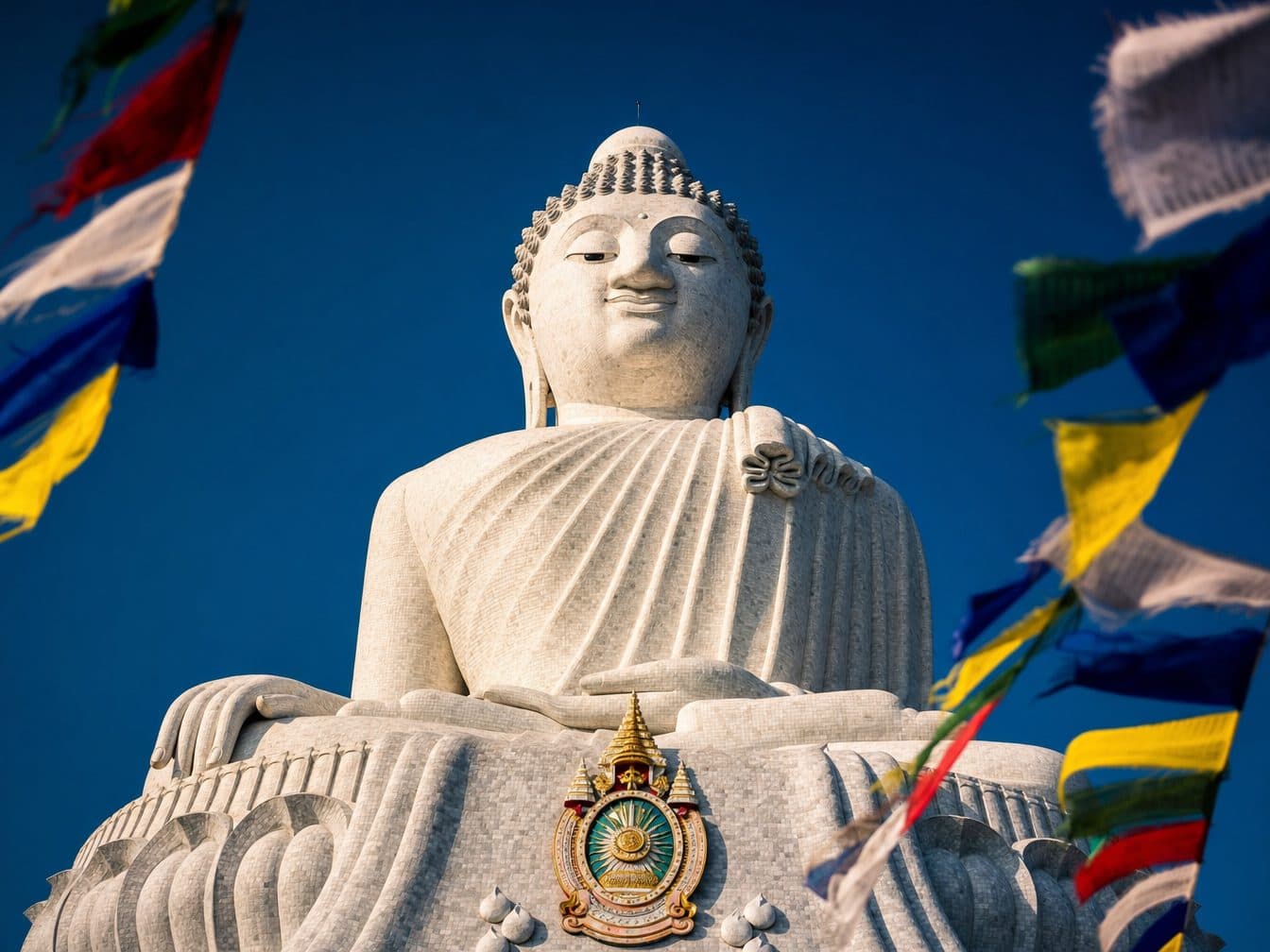
Read the guideThe Big Buddha
The 45-metre white marble Buddha on Nakkerd Hill — arrive for sunrise, before the coaches, when the whole island glows below.
Read the guideWat Phra Thong
Thalang's half-buried golden Buddha, wrapped in three centuries of local legend.
Islands — two seas to choose from
Phuket is a harbor as much as an island: limestone bays to the east, dive archipelagos to the north-west, and a boat for every mood.
Phang Nga Bay
Limestone karsts, sea caves, and floating villages by longtail or kayak — James Bond Island is the postcard; Hong Island is the quieter frame.
Phi Phi & Maya Bay
The famous one, and still worth it — go early in the day and early in the season.
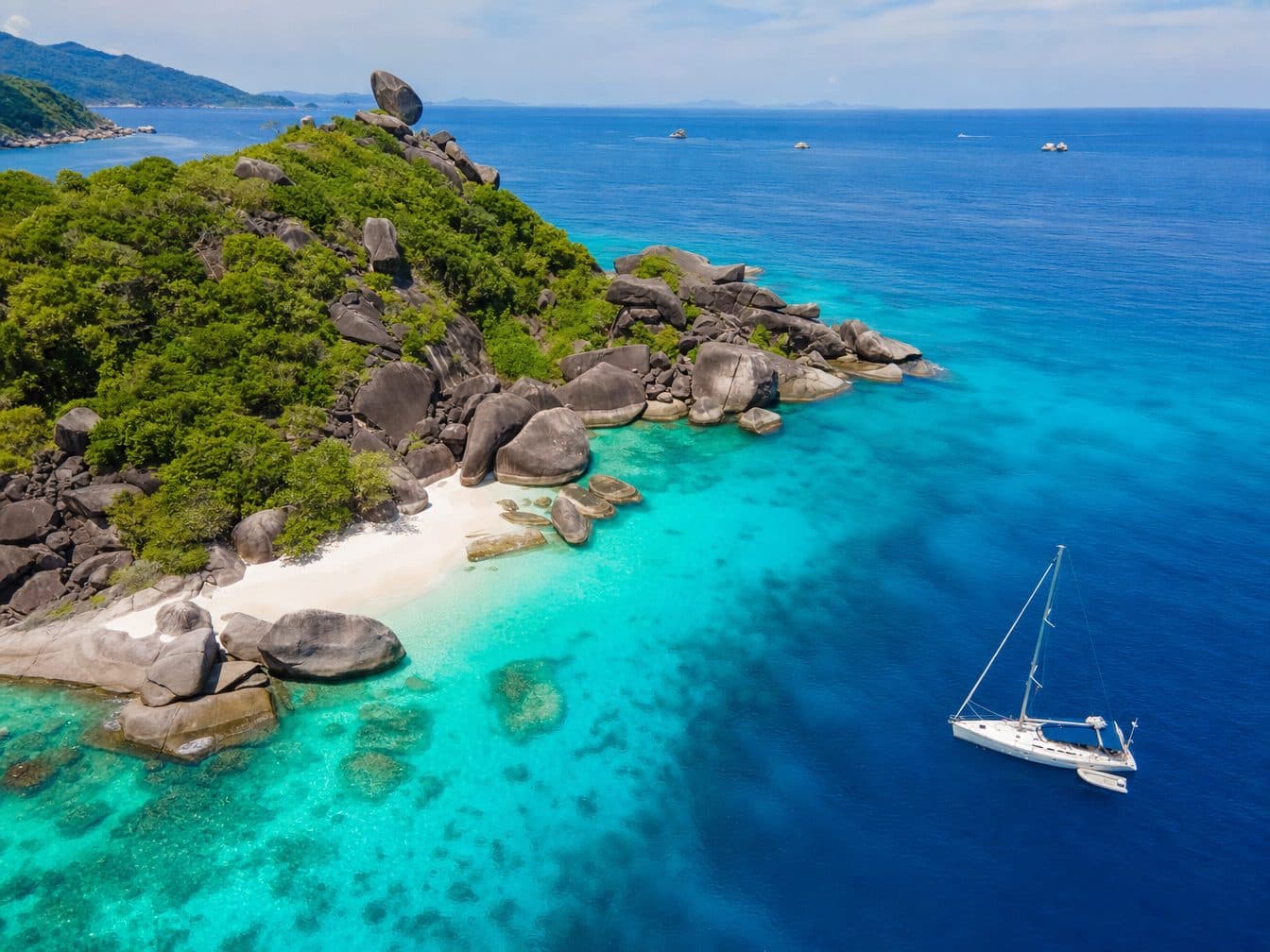
The Similan Islands
Granite boulders and gin-clear water north-west of Phuket — Thailand's benchmark diving, open October to May.
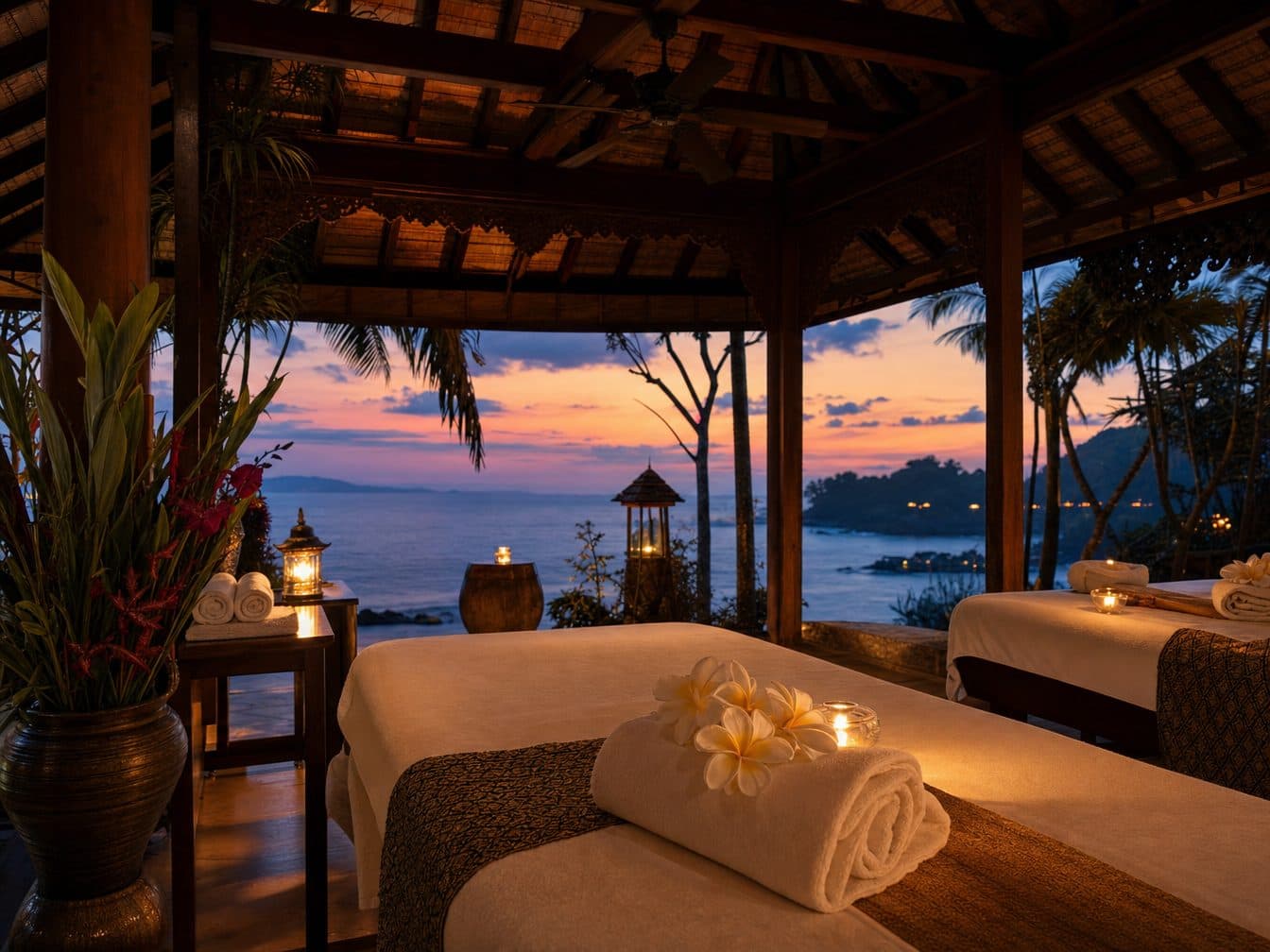
Wellness — the island that invented relaxing
From a one-hour beach sala massage to a week-long resort ritual, Phuket takes recovery as seriously as adventure.
Traditional Thai massage
From old-school shophouse studios in Phuket Town to salas right on the sand — the real thing costs a few hundred baht.
Destination spas
World-class resort spas across the island's west coast — think ocean-facing pavilions at Trisara, Banyan Tree, and Amanpuri.
Muay Thai & yoga camps
Train like a local in Chalong's gyms, or slow everything down at an island yoga shala.
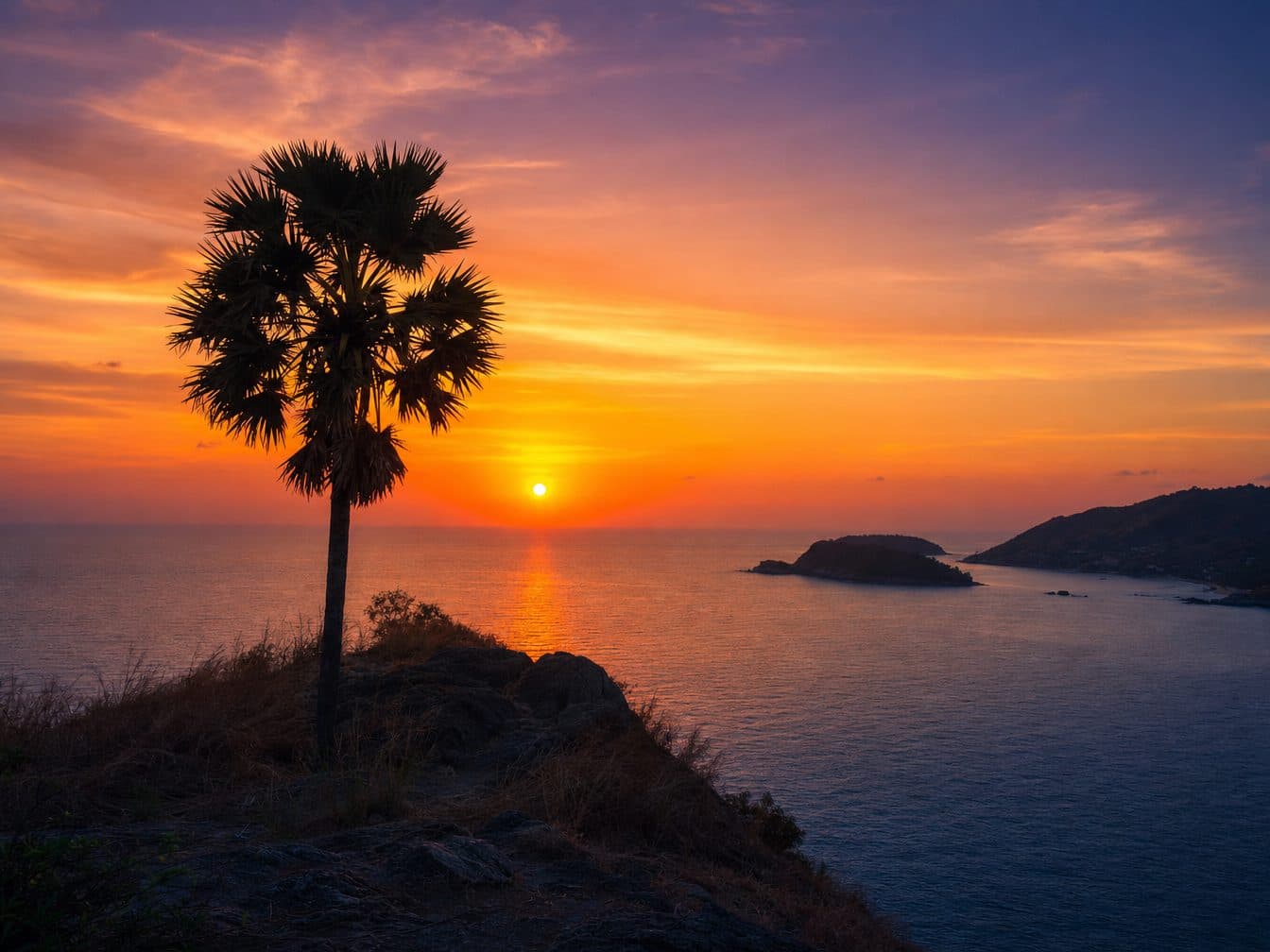
Photo tours — chasing the island's light
Phuket photographs best at its edges — first light on the hilltops, last light on the capes, blue hour in the old town.
Promthep Cape
The island's southern tip and its definitive sunset — arrive an hour early for a spot on the rail.
Karon Viewpoint
Three bays — Kata Noi, Kata, and Karon — stacked in a single frame.
Old Town at blue hour
Neon signs warming up against pastel facades — Thalang Road is the classic frame.
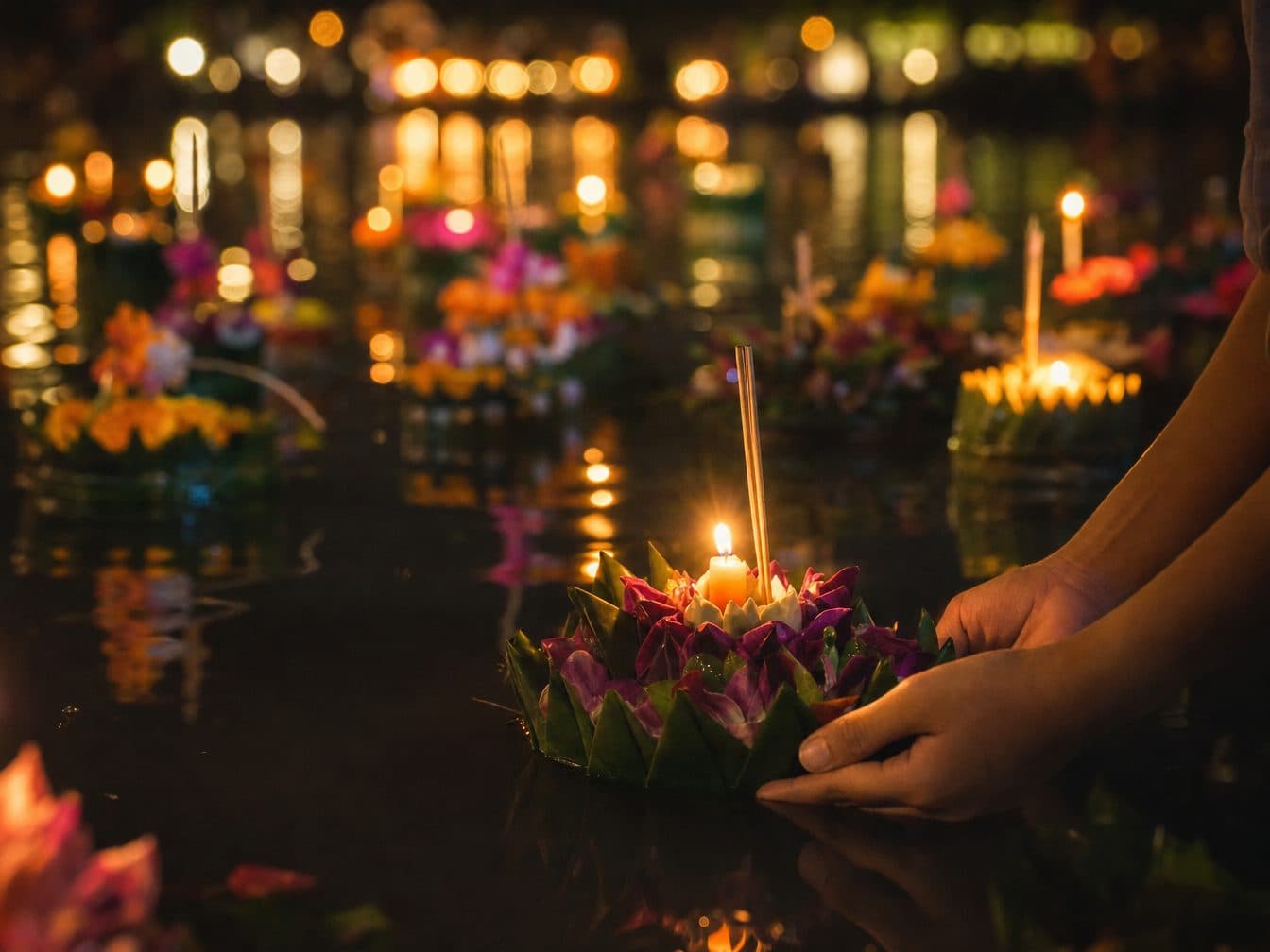
Festivals — when the island celebrates
Time a trip to one of these and Phuket becomes a different island entirely.
Songkran · April
Thai New Year — three days when the whole island becomes a joyful water fight.
Vegetarian Festival · Sep–Oct
Nine days of processions, drums, and firecrackers — Phuket's most intense and most local tradition.
Loy Krathong · November
Candlelit krathongs released on every beach and lagoon — the island's gentlest night of the year.
Know your side of the island.
Phuket changes character every few kilometres — west coast for sunsets, east coast for calm water, and a green middle most visitors never see.
Phuket Town (Old Town)
Pastel Sino-Portuguese shophouses, Peranakan kitchens, and the island's only real streetlife after dark — the antidote to the beach strips.
Patong
The island's loudest room — Bangla Road, jet skis, and every holiday service imaginable packed into two square kilometres.
Karon
Patong with the volume down two notches — a long straight beach, squeaky white sand, and room to breathe.
Kata & Kata Noi
Surf schools in low season, families in high — with Kata Noi around the headland, quieter and prettier still.
Nai Harn
The local favourite at the southern tip — a lagoon behind, a near-perfect bay in front, and not a high-rise in sight.
Rawai & Chalong
Where Phuket actually lives — longtail piers, seafood by the kilo, and the launch point for every island day.
Kamala
Millionaire's Mile on the headland, a quiet Muslim fishing village on the sand — the island's most surprising split personality.
Surin
Old-money Phuket — beach clubs under casuarina trees and villas tucked up the hillside, out of view.
Bang Tao & Laguna
Six kilometres of sand fronting the resort belt, with Boat Avenue's restaurants and Friday market just inland.
Nai Thon & Layan
The quiet north-west — one low-rise row behind the beach and almost no through traffic.
Nai Yang & Mai Khao
National-park sand under casuarina shade, and a runway close enough to watch the landings from the water.
Cape Panwa
The east-coast headland — aquarium, deep-water piers, and the sunrises the west coast never gets.
Thalang & the interior
The green middle — waterfalls, rubber plantations, the Heroines Monument, and Phuket before tourism arrived.
Getting around, shopping & good to know.
The practical side of the island, in three parts — open a section to dive in.
There's no train and no meter — Phuket runs on rental cars, scooters, and whichever pier you leave from.
One airport, up north
Phuket International (HKT) sits at the island's top end — allow 40 minutes down to Bang Tao, and up to 90 to Patong in traffic.
Rent a car
The island is bigger than it looks and the hills are real — a car is the difference between three beaches in a day and one.
Grab, Bolt & taxis
App rides now cover most of the island and settle the old taxi arguments — coverage thins after midnight and out in Thalang.
Scooters
The local default and the local hazard — helmet on, licence in the wallet, and stay off the Patong hill in the rain.
Songthaews & smart buses
Blue songthaews run beach-to-town on fixed routes for pocket change; the airport smart bus is the cheapest way in.
Piers & island boats
Rassada for Phi Phi and Krabi, Chalong for day trips, Bang Rong for Koh Yao — pick the pier before you book the boat.
Phuket shops in three registers: air-conditioned malls out on the bypass, weekend markets worth planning around, and night bazaars that only wake at seven.
The malls
Central Phuket
Floresta and Festival joined at the hip on the bypass — the island's only full-scale mall day.
Jungceylon
Patong's indoor escape — practical rather than glamorous, and very welcome when the sun is brutal.
Central Village
The outlet mall near the airport — last-day bargain territory if your flight is an evening one.
The markets
Naka Weekend Market
The big Saturday–Sunday sprawl below Central — clothes, phone cases, and a serious food alley.
Lard Yai walking street
Thalang Road closed to cars on Sundays — the island's most atmospheric market, heritage facades and all.
Banzaan Fresh Market
Patong's proper wet market behind Jungceylon — buy the fish downstairs, have it cooked upstairs.
Night & local
Chillva Market
Phuket Town's container-yard night market — where the island's twenty-somethings actually go.
Boat Avenue & Porto de Phuket
Cherngtalay's restaurant strip, with a Friday market that pulls in the whole north-west coast.
Malin Plaza
Patong's open-air food court near the sea — grilled seafood, cold beer, no pretence.
The small things that make Phuket easier.
Get a Thai eSIM on arrival
Data from the moment you land — you'll want it for Grab, maps, and checking the ferry timetables.
Cash for markets, cards for malls
Beach vendors, songthaews, and longtail boatmen want baht; malls, resorts, and Grab take cards. Keep small notes.
Cover shoulders and knees
Wat Chalong and the Big Buddha enforce it — carry a light layer, and slip your shoes off where the signs ask.
Respect the red flags
The west coast gets serious rip currents from May to October. A red flag means out of the water — every year people ignore it.
Helmet, licence, no flip-flops
Checkpoints are routine, and most travel insurance voids without a motorcycle licence. The hills punish inexperience.
Know which month, which coast
November to April is the postcard; May to October brings rain, swell, and half-price villas — the east coast stays calmer either way.
Thirty things to do in Phuket.
The island checklist — tick them off across a long weekend, a low season, or a life lived here.
- 01Watch the sun drop off Promthep Cape with everyone else, and not mind
- 02Climb to the Big Buddha for the island's widest view
- 03Pay respects at Wat Chalong, Phuket's most revered temple
- 04Wander Old Town's pastel shophouses along Thalang and Dibuk Roads
- 05Eat your way down Lard Yai on a Sunday evening
- 06Take a longtail through Phang Nga Bay's limestone karsts
- 07Kayak into the hongs — the collapsed caves hidden inside the islands
- 08Reach Coral Island early and swim before the tour boats land
- 09Sail to the Similans for the clearest water in Thailand (Oct–May)
- 10Snorkel Racha Yai's shallow reef on a calm morning
- 11Learn to surf on Kata's low-season break
- 12Drive the Karon viewpoint road for the three-bay panorama
- 13Swim at Freedom Beach after the longtail drops you off
- 14Find Ya Nui's tiny cove below the windmill
- 15Watch the planes come in low over Mai Khao from the sand
- 16Book a proper Thai massage, then a proper spa day
- 17Eat Hokkien mee in an Old Town coffee shop that predates you
- 18Try Peranakan cooking — the island's own Sino-Thai kitchen
- 19Buy the day's catch at Rawai seafood market and have it grilled
- 20Take a cooking class and learn southern curries, not Bangkok ones
- 21Drink a sundowner at a Surin or Kamala beach club
- 22See a Muay Thai fight at a Patong stadium
- 23Walk Bangla Road once, for the anthropology
- 24Cross to Koh Yao Noi for the Phuket that stopped in 1995
- 25Ride out to Bang Pae and Ton Sai waterfalls after the rain
- 26Visit the Phuket Elephant Sanctuary — retired elephants, no riding
- 27Catch the Vegetarian Festival's processions in September or October
- 28Walk up Khao Rang for a town-side sunset instead of a beach one
- 29Get out to Sirinat National Park for empty northern sand
- 30Ferry to Phi Phi and stay the night, after the day boats leave
More region guides are on the way.
Staying in Phuket? Our villas are here.