Rawai Beach is a working seafront on Phuket’s southern tip, 17 km from Phuket Town, known for its seafood market, a Chao Lay sea gypsy village and longtail boats to the offshore islands. Come for the food, the boats and the island trips; for a beach day, Nai Harn is about 3 km away.
If you arrive expecting the turquoise postcard version of Phuket, adjust your expectations and then discover something considerably more interesting. Longtail boats sit in long rows off the sand, fish is unloaded in the mornings, and stalls sell seafood by the kilogram from ice-covered tables. It is also Phuket’s expat heartland, with restaurants of every nationality along the seafront, which makes it one of the island’s best practical bases.
At a Glance
- Where: Southern tip of Phuket, 17 km from Phuket Town, about 3 km from Nai Harn
- Best for: Seafood, longtail trips to Coral (Hey), Bon, Raya and Kaew Pitsadan islands
- Swimming: Shallow with no current, but boat traffic and a shallow bottom at low tide; Nai Harn is better
- Culture: Chao Lay (Urak Lawoi) sea gypsy village at the south end of the beach
- Island trips: Calmest from November to April; agree boat prices at the pier before you leave
In This Guide
- What Rawai Beach Is (and Isn’t)
- The Seafood Market
- Island Hopping from Rawai
- The Chao Lay Sea Gypsy Village
- Where to Eat
- Where to Stay
- Getting to Rawai
- Best Time to Visit
- Frequently Asked Questions
- Sources
What Rawai Beach Is (and Isn’t)
Phuket Province describes Rawai Beach as shallow with no current, and in calm weather you can swim. In practice, the longtail traffic and the shallow, sometimes muddy bottom at low tide mean most people swim elsewhere: Nai Harn Beach, one of Phuket’s finest, is about 3 km away, and Ya Nui, one of its best snorkelling spots, about 10 minutes.

What Rawai offers instead is everything else: a seafood market among the freshest and best-priced on the island, boats straight from the beach to the offshore islands, a restaurant scene tuned to long-stay residents rather than week-long tourists, and an atmosphere of purposeful life rather than performed holiday.
The Seafood Market
The Rawai seafood market along the beach road is the single best argument for basing yourself in the south. Vendors sell fish, prawns, crab, squid, lobster and shellfish from ice-covered tables, with prices shown in Thai and English. You choose your seafood, agree the price, then take it to one of the restaurants opposite, which cook it for a small preparation fee.

The result is one of the freshest, best-value and most sociable meals in Thailand: pick out a fish, discuss how you want it cooked, and sit on the seafront watching the boats while it is grilled. It is the reason expats and locals from other parts of Phuket drive south specifically for dinner.
Island Hopping from Rawai
Rawai is the natural departure point for the islands off Phuket’s southern tip. According to Phuket Province (as of September 2026), longtail boats and speedboats at Rawai can be hired to Hey Island (Coral Island), Bon Island, Raya Island and Koh Kaew Pitsadan. Coral Island is the most popular, with clear water and snorkelling; Koh Bon is small, close and rocky.
Longtails are hired per boat, not per person, and prices depend on the island and the time you want: agree the price, the return time and whether island entry fees are included before you set off. It is usually far cheaper than a package tour from the resort beaches, and you choose your own schedule.
The Chao Lay Sea Gypsy Village
At the south end of Rawai Beach is a Chao Lay (sea people) village, home mainly to the Urak Lawoi, who have fished these waters for generations. It is a genuine community, not a tourist exhibit, and should be approached with the same respect as any private neighbourhood; watching the boats and nets from the public seafront gives a sense of a way of life that coexists with the resort island around it.
A few vendors sell dried seafood and shells, but walking slowly and observing is more rewarding than shopping. The community’s connection to the sea, and the traditional boats still maintained here, are one of the most culturally significant sights on an island that often puts beaches before context.
Where to Eat
Beyond the seafood market, Rawai’s restaurant scene is extensive and genuinely good. A large long-stay expat population has attracted restaurants and cafés that live on repeat customers rather than tourist turnover. The result is unusually diverse: Japanese, Indian, Italian and Thai restaurants close together, along with Muay Thai gyms whose attached restaurants serve clean, well-portioned food for a training crowd.
Where to Stay
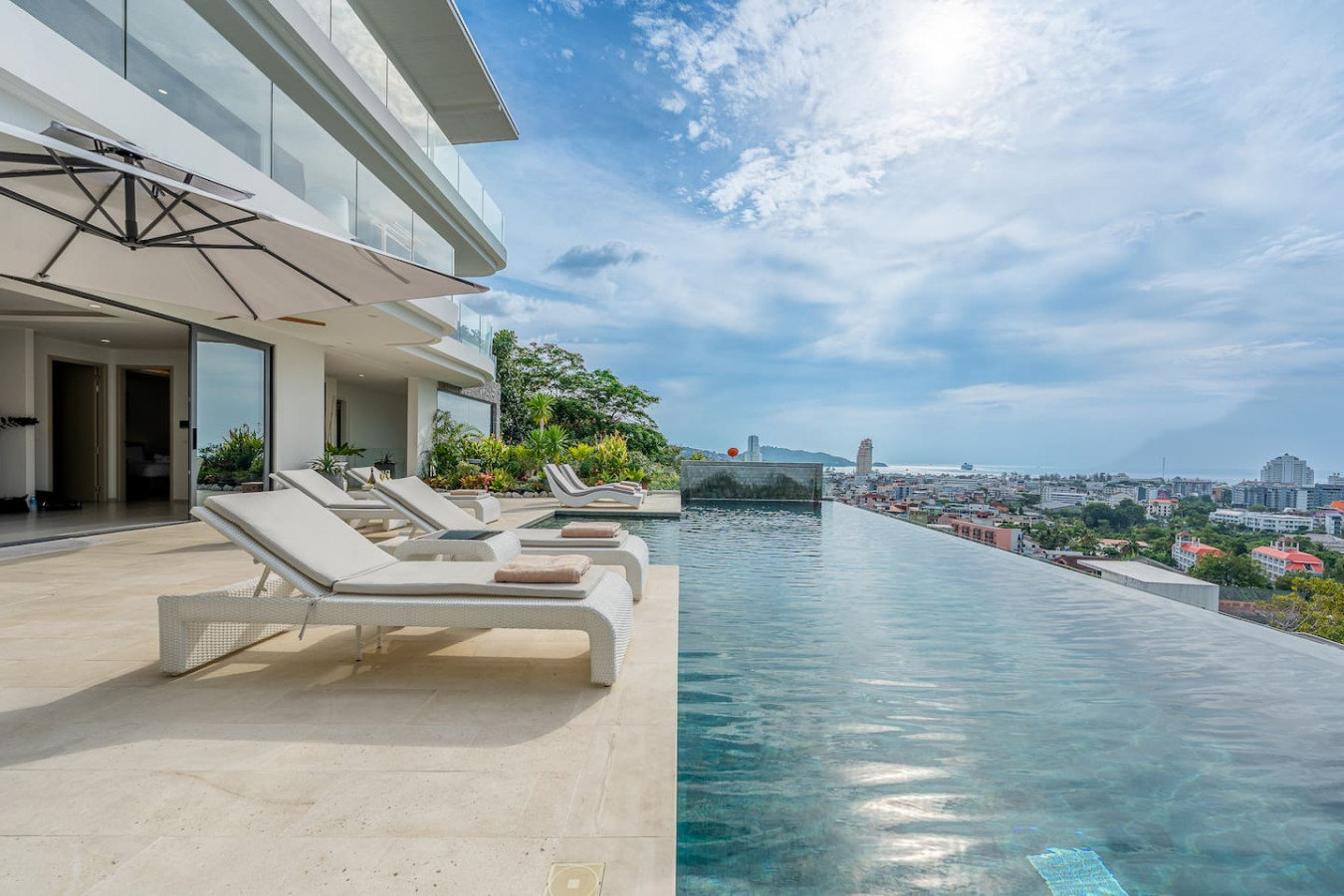
Rawai’s accommodation spans budget guesthouses, mid-range boutique hotels and, in the hills between Rawai and Nai Harn, private pool villas with sea views and easy access to both beaches.
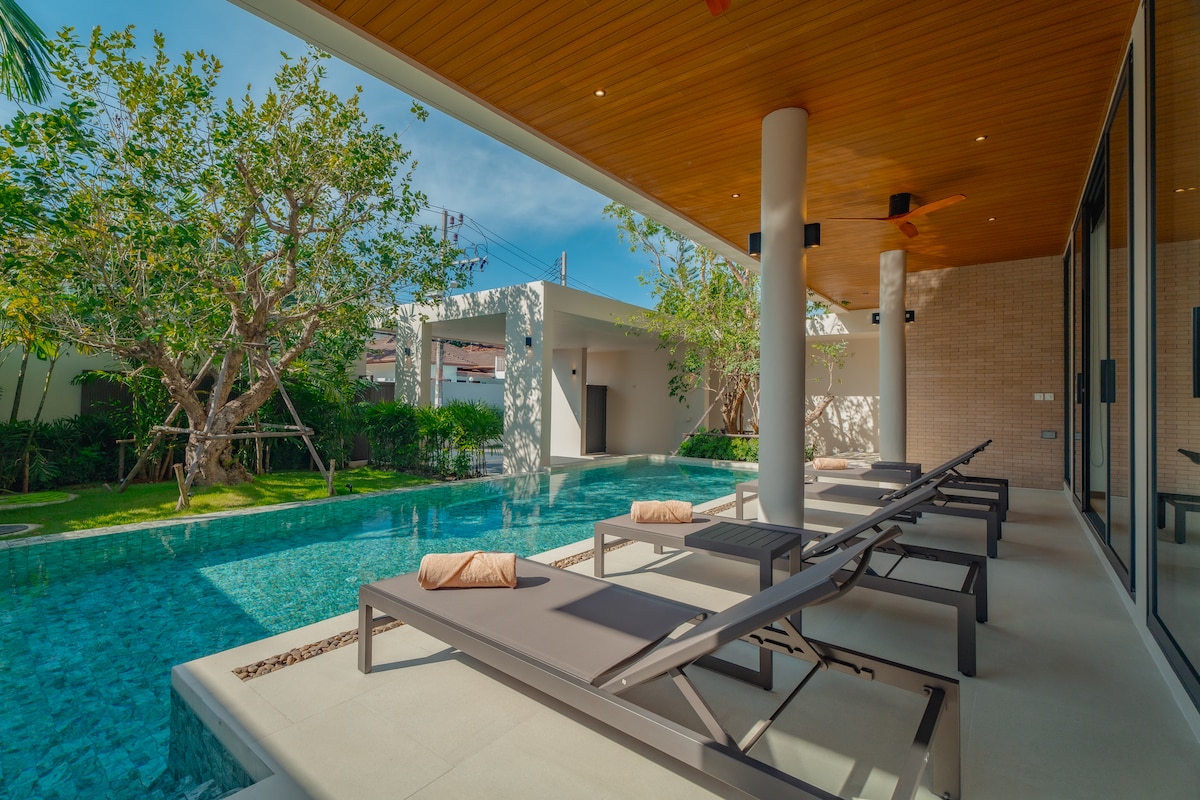
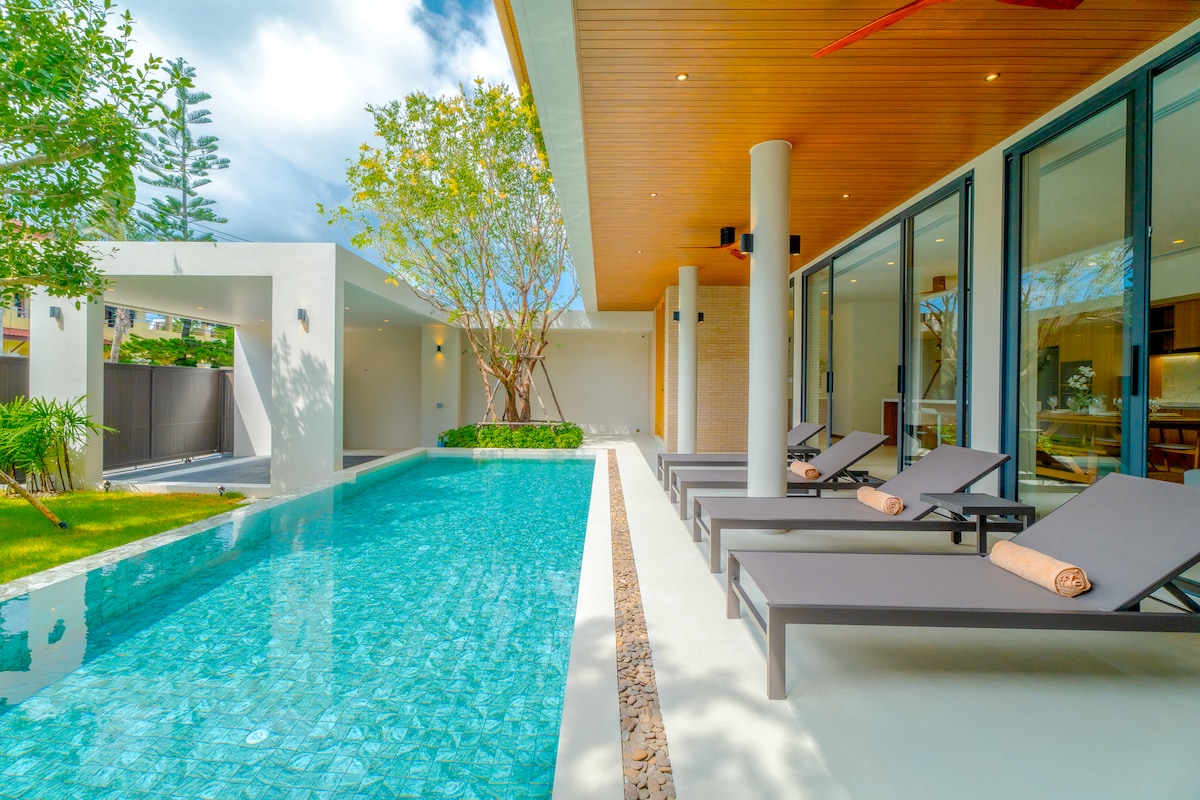
This is where we at Silqhaus come into the picture. Silqhaus, a Phuket and Pattaya holiday-rental company, has Sava Villa, a modern private villa with a 10-metre pool in Rawai: a short drive from Nai Harn Beach and Promthep Cape, with the seafood market available for dinner every night. Booking direct is always at least 10% below Airbnb and Booking.com for the same home and dates.
Getting to Rawai
Rawai is 17 km from Phuket Town, according to Phuket Province: roughly 25 to 30 minutes by car or Grab. From Chalong Circle, follow Wiset Road south. From Patong the drive takes about 45 minutes, and from Nai Harn it is about 3 km along the coast road.
Local songthaews (open-sided buses) connect Rawai with Phuket Town during the day. A scooter is the most flexible way to explore the south: Nai Harn, Ya Nui and Promthep Cape are all within about 10 minutes.
Best Time to Visit
Unlike Phuket’s swimming beaches, Rawai works year-round: the market and restaurants keep going whatever the season. Island trips are best from November to April, when the sea is calm and visibility good, and December to March is the prime window for combining Rawai’s food with day trips and swimming at Nai Harn. For every month, see the best time to visit Phuket.
In the wet season, island trips become less reliable, but Rawai itself keeps delivering, and accommodation prices in the area drop from May to October, which makes it a good-value base. For more planning ideas, see our travel guides.
Frequently Asked Questions
Can you swim at Rawai Beach?
You can: Phuket Province describes Rawai Beach as shallow with no current. But boat traffic and a shallow bottom at low tide put most people off, and Nai Harn Beach, about 3 km away, is much better for swimming.
How do I get to Coral Island from Rawai?
Hire a longtail or speedboat at Rawai Beach. Longtails are priced per boat, so agree the price, the return time and whether island fees are included before leaving. The sea is calmest from November to April.
How does the Rawai seafood market work?
Choose your seafood at the stalls, agree the price, then take it to one of the restaurants opposite, which cook it for a small preparation fee.
Can you visit the sea gypsy village in Rawai?
Yes. The Chao Lay (mainly Urak Lawoi) village at the south end of Rawai Beach is a living community; walk through respectfully, ask before photographing people, and treat it as you would any private neighbourhood.