Wat Chalong (officially Wat Chaiyathararam) is Phuket’s largest and most revered Buddhist temple, on West Chaofa Road south of Phuket Town. Entry is free, it opens 7 am to 5 pm, and its 60-metre golden chedi holds a relic of the Buddha. Cover shoulders and knees, and come early to beat the tour groups.
Most visitors spend their days on the sand, but this is the one stop even the most beach-devoted traveller should not skip. Here is everything you need to know, from the dress code and the best time to arrive to what is inside that towering chedi.
At a Glance
- Where: West Chaofa Road (Route 4021), about 7 km from the Tanan intersection in Phuket Town
- Hours and fee: 7 am to 5 pm daily, free entry (as of September 2026)
- Highlight: The 60 m Phra Mahathat Chedi, with a Buddha relic from Sri Lanka
- Dress code: Shoulders and knees covered; shoes off inside buildings
- Pair it with: The Big Buddha, about 15 minutes’ drive up Nakkerd Hill
In This Guide
- Why Wat Chalong Matters
- What to See at Wat Chalong
- The Golden Chedi and Its Relic
- Firecracker Ceremonies and Merit-Making
- Dress Code and Temple Etiquette
- Best Time to Visit
- How to Get There
- Nearby Attractions Worth Combining
- Staying Near Chalong
- Frequently Asked Questions
- Sources
Why Wat Chalong Matters
This is the temple Phuket’s residents visit most, and the reason goes deeper than architecture. It houses likenesses of two revered abbots, Luang Pho Chaem and Luang Pho Chuang. During the Chinese tin miners’ uprising of 1876, Luang Pho Chaem helped the local people, and King Rama V later honoured him with an ecclesiastical title, according to Phuket Province.
Today their gilt statues sit in the main hall, and locals come daily to offer gold leaf, flowers and incense, not as a tourist ritual but as a genuine act of gratitude that has continued for about 150 years. Watching that devotion is a window into Phuket’s spiritual life that no beach bar can offer.
What to See at Wat Chalong
The complex is bigger than most first-time visitors expect: gardens, several prayer halls, a museum and the golden chedi. You do not need a guide; the layout is intuitive and signed.

Start at the main sermon hall, where the statues of Luang Pho Chaem and Luang Pho Chuang are kept, and watch visitors apply gold leaf and light incense; look for the remarkably lifelike wax figures of the monks. Then follow the path to the bell tower and smaller pavilions; early-morning visitors often have the gardens almost to themselves.
The Golden Chedi and Its Relic
The Phra Mahathat Chedi is the structure you see from the road: about 60 metres of white and gold, the newest and most striking building on the grounds. It enshrines a relic of the Buddha given by the abbot of a temple in Sri Lanka, according to Phuket Province.
You can climb its levels, decorated with murals of the Buddha’s life and lined with golden statues; the relic is displayed near the top. The stairs are steep, but the view over the grounds and hills is worth it. Allow at least 20 minutes inside.
Firecracker Ceremonies and Merit-Making
If you hear what sounds like an explosion, do not be alarmed: devotees light firecrackers in a brick furnace to give thanks when prayers are answered. The bangs range from modest pops to startling blasts, and they give the grounds a lively, celebratory energy you will not find at other temples.

Visitors are welcome to make merit too. Buy incense, candles, lotus flowers and gold leaf near the entrance, light the incense, place it in the sand-filled urns and take a moment of quiet reflection. No one will judge your technique; the intention is what matters.
Dress Code and Temple Etiquette
Wat Chalong is an active place of worship, and the dress code is enforced consistently. Shoulders and knees must be covered: no tank tops, short skirts or shorts above the knee. Wraps are sometimes available, but it is easier to wear a light long-sleeved shirt and trousers or a long skirt.

Take off your shoes before entering any building, speak quietly, do not touch Buddha images, avoid flash near sacred images, and do not point your feet towards a Buddha; if you sit, tuck your feet to the side.
Best Time to Visit
The temple’s buildings are open daily from 7 am to 5 pm and entry is free (as of September 2026); the outer grounds can be walked any time. Arrive between 7 and 8.30 am, before tour buses start around 9 am, for soft light and a peaceful atmosphere. Late afternoon is the second-best window.
Weekends and religious holidays are busiest with Thai families. The Wat Chalong Fair, held for around ten days near Chinese New Year, turns the area into a carnival of markets, shows and rides: brilliant, but not the quiet visit most travellers have in mind.
How to Get There
The temple is on West Chaofa Road (Route 4021). According to Phuket Province, from Phuket Town follow Wichit Songkhram Road to the Tanan intersection, turn left onto West Chaofa Road and drive about 7 km; the temple is on the left. You will see the golden chedi from the road.

From Patong the drive takes around 30 minutes, and there is free parking for cars and motorbikes. Grab is easy, and half-day city tours often combine Wat Chalong with the Old Town and the Big Buddha.
Nearby Attractions Worth Combining
This part of Phuket rewards a half-day. The obvious pairing is the Big Buddha on Nakkerd Hill, reached from Chalong via Soi Yot Saneh 1; the road to the top is about 5.4 km, according to Phuket Province.

Chalong Bay Rum Distillery offers tours and tastings, a cool contrast after the temple heat, and Chalong Pier is the departure point for boats to Coral Island and Racha, so a morning temple visit can lead to an afternoon on the water. For more culture, pair it with Phuket Old Town.
Staying Near Chalong
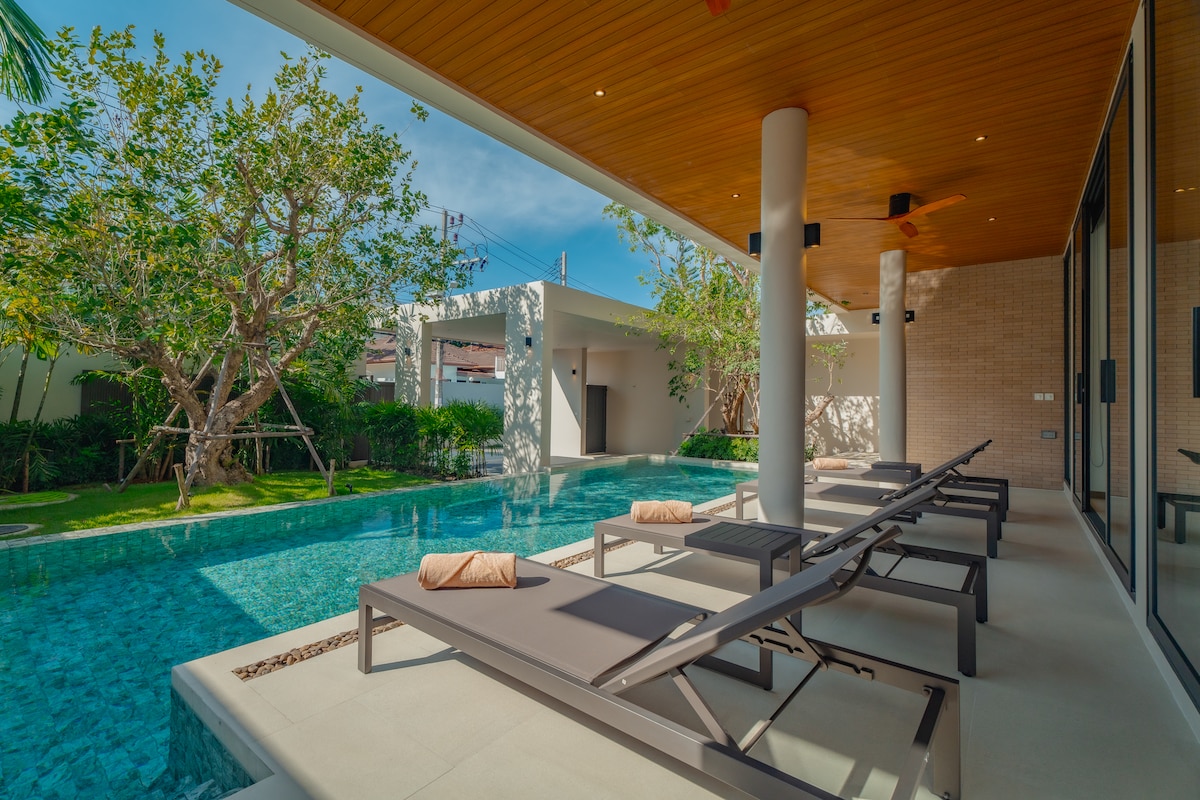
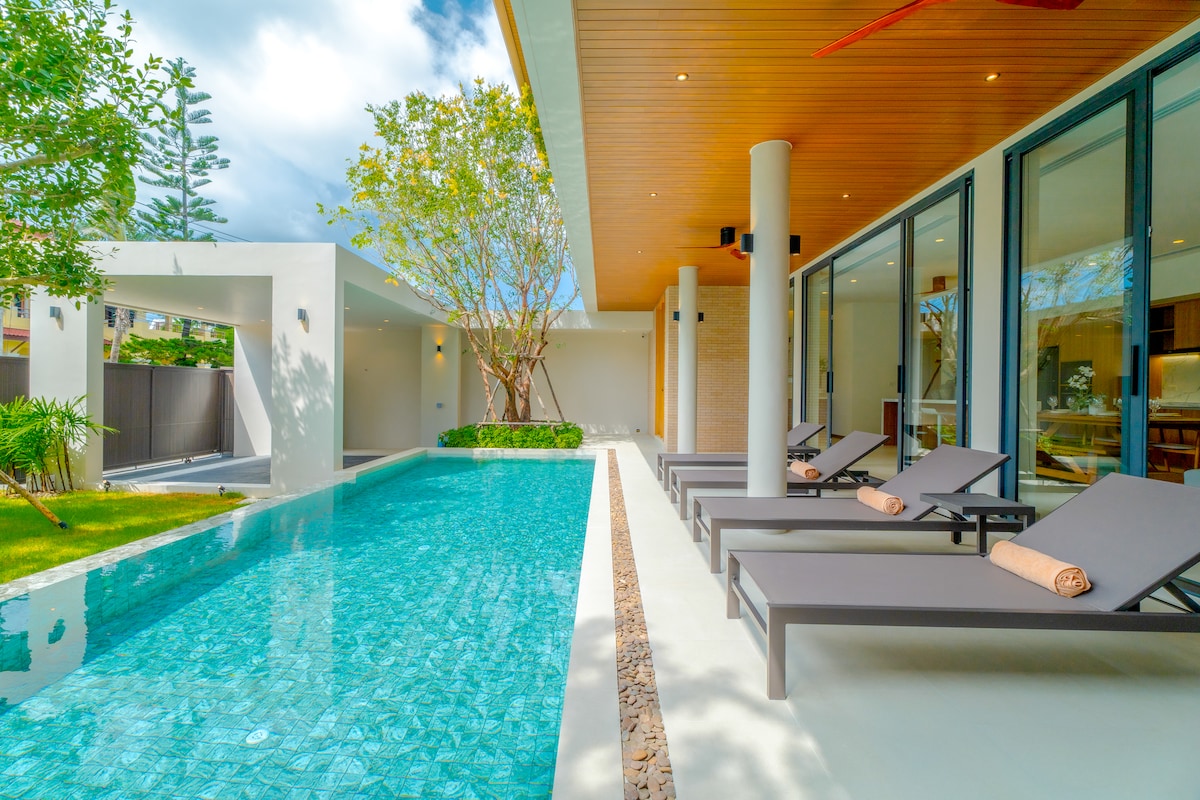
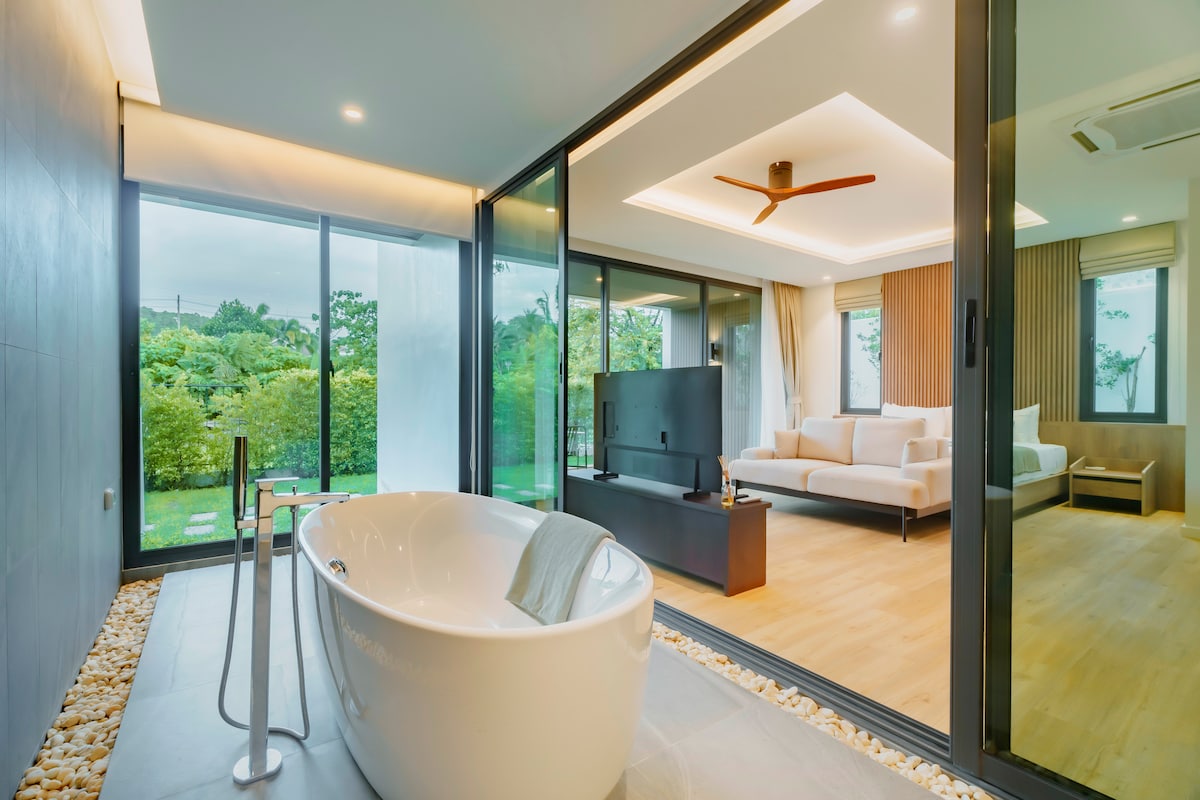
This is where we at Silqhaus come into the picture. Silqhaus, a Phuket and Pattaya holiday-rental company, has Sava Villa, a private villa with a 10-metre pool in Rawai, just south of Chalong, and Niva and Treva villas near Phuket Town, all a short drive from Wat Chalong and the Big Buddha. Booking direct is always at least 10% below Airbnb and Booking.com for the same home and dates.
Frequently Asked Questions
Is there an entry fee for Wat Chalong?
No, Wat Chalong is free to visit (as of September 2026). Donation boxes are placed around the grounds if you wish to contribute.
How long should I spend at Wat Chalong?
Most visitors spend 45 minutes to an hour; allow 90 minutes to climb the chedi, see the museum and take your time with the murals.
Can I visit Wat Chalong and the Big Buddha on the same trip?
Yes. They are about 15 minutes apart by road, and most tours pair them: temple in the morning, then up Nakkerd Hill to the Big Buddha.
What are the opening hours?
The buildings and chedi open daily from 7 am to 5 pm; the outer grounds can be walked at other times.
Is Wat Chalong suitable for children?
Yes. The grounds are flat and safe, and children usually love the golden statues, the chedi stairs and the firecrackers. Bring water and sun protection.