Nai Yang Beach is a calm, three-kilometre bay inside Sirinat National Park on Phuket’s northwest coast, about 3 km from Phuket International Airport. It is quieter and cheaper than the beaches further south, with a coral reef 700 to 1,000 metres offshore and a village that still runs on local life rather than tourism.
Most visitors drive straight past it on the way from the airport to resorts further south. That is a shame, because they bypass one of the most swimmable and genuinely relaxed beaches on the island. The national park status limits development and keeps the beach in the kind of condition that takes significant money to recreate elsewhere. If you want a base that lets you decompress rather than perform tourism, Nai Yang is worth serious consideration.
At a Glance
- Where: Northwest Phuket, inside Sirinat National Park, about 3 km from the airport and about 30 km from Phuket Town
- Beach: About 3 km of golden sand backed by casuarina trees, facing northwest for sunsets
- Swimming: Sheltered bay, often calmer than the west-coast beaches in the wet season; always check the flags
- Reef: 700 to 1,000 m offshore: a long swim, so most people go out by boat
- Park entry: 200 THB per foreign adult, 100 THB per child aged 3 to 14, open 08:00 to 16:30 daily (as of June 2026)
- Best time: November to April for clear water and calm seas
In This Guide
- About Nai Yang Beach
- Snorkelling and the Reef
- Swimming and Conditions
- Sirinat National Park Fees and Hours
- Nai Yang Village
- Where to Eat
- Where to Stay
- Getting There
- Best Time to Visit
- Frequently Asked Questions
- Sources
About Nai Yang Beach
Nai Yang Beach curves gently for about three kilometres within the national park boundary. The designation means no permanent commercial development on the beachfront: the casuarina tree line is intact, there are no resort towers above the treeline, and the beach feels largely as it was found. Mai Khao Beach, Phuket’s wild northern stretch, begins just beyond it.

The sand is not the powdery white of the west coast’s best beaches. It is a darker, slightly coarser golden brown, but the setting more than compensates. The bay faces northwest, which means it catches the sunset light well and is partly sheltered from the southwest monsoon swell that batters the more exposed west-coast beaches during the wet season. This is one of Nai Yang’s key advantages: it often stays swimmable when Kamala, Surin and Bang Tao are flagged.
Snorkelling and the Reef
Nai Yang’s coral reef sits about 700 to 1,000 metres offshore, according to Sirinat National Park, with plate coral, soft coral, sea fans and sea anemones. That is too far for a casual swim from the sand, so most snorkellers go out by boat; ask at the beach or at the dive shops on the beach road.

Conditions are best in the morning, when the water is glassiest and visibility highest, and between November and April. Mask and fins can be rented along the beach road. Nai Yang was once a nesting beach for leatherback and hawksbill turtles, but the national park reports that no turtle eggs have been seen here since 2013.
Swimming and Conditions
Nai Yang is one of the more reliably swimmable beaches in the north of Phuket. The bay’s partial shelter keeps conditions calmer here than on the fully exposed beaches, and during the wet season Nai Yang often remains swimmable on days when the red flags are flying further south. If you are still choosing your dates, our guide to the best time to visit Phuket has the rainfall for every month.
The gradual depth increase from the shore makes Nai Yang good for families and less confident swimmers. Conditions change with the monsoon, so check the flags and ask the lifeguards or park staff before swimming between May and October.
Sirinat National Park Fees and Hours
Sirinat National Park charges foreign visitors 200 THB per adult and 100 THB per child aged 3 to 14 at its entrance, and Thai citizens 40 THB and 20 THB (as of June 2026). The park is open every day from 08:00 to 16:30. It also runs a restaurant, 12 bungalows at 2,000 THB a night and a campsite at 30 THB per person, according to its listing.
Nai Yang Village
The village behind the beach is a functioning local community, not a tourist development. The back streets have the usual infrastructure of a Thai village: 7-Elevens, noodle shops, mechanics, fresh produce stalls and small family businesses that have nothing to do with tourism. Walking the village early in the morning, when it is doing its actual daily business, is a genuine pleasure and a reminder of what Phuket looks like away from the resort corridors.
A small fresh market near the village temple operates in the early morning and is worth visiting for fruit, grilled items and coffee.
Where to Eat
The restaurants and bars along Nai Yang’s beach road serve Thai and international food at prices without tourist-zone inflation. Fresh seafood is the local strength, and the barbecued whole fish at the beach restaurants is outstanding for the price. Portions are generous, service is relaxed, and tables under the casuarinas a few metres from the sand make everything taste better.
For something more substantial, Naithon and Layan, a short drive south, have a modest but good restaurant scene. Nai Yang itself is not a dining destination, but it covers the basics well.
Where to Stay
Nai Yang’s accommodation is mostly budget to mid-range: guesthouses, small boutique hotels and bungalows in the village and on the beach road. That is part of the appeal: you can stay beside a protected beach in Phuket without paying the premium the same sea and reef would command further south.
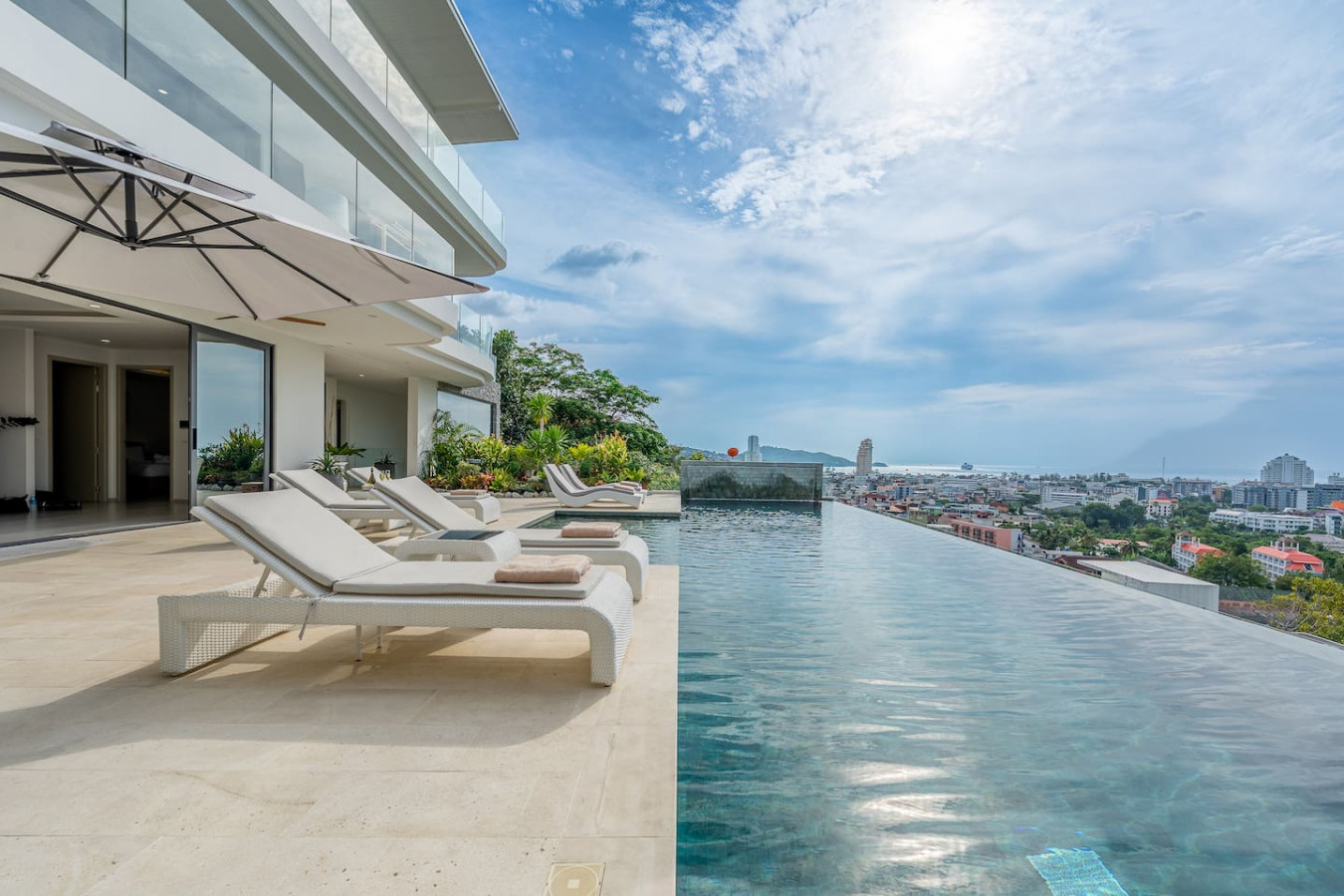
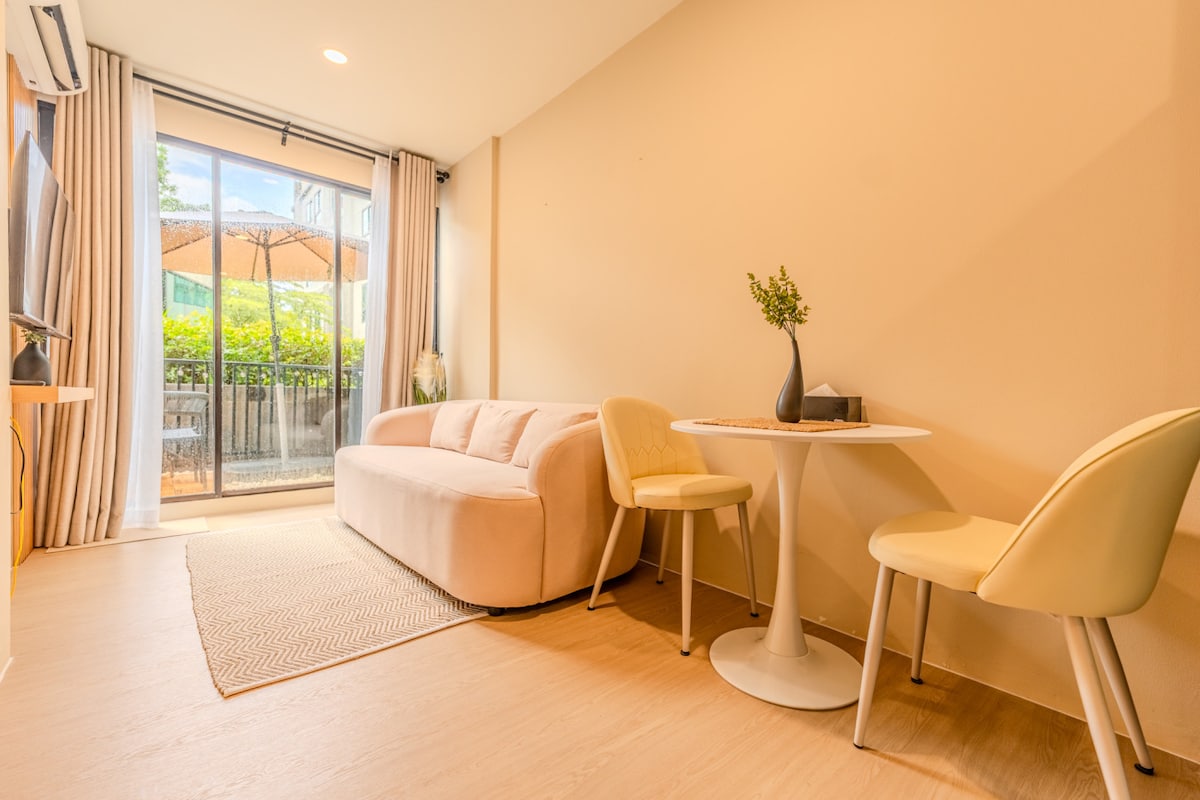
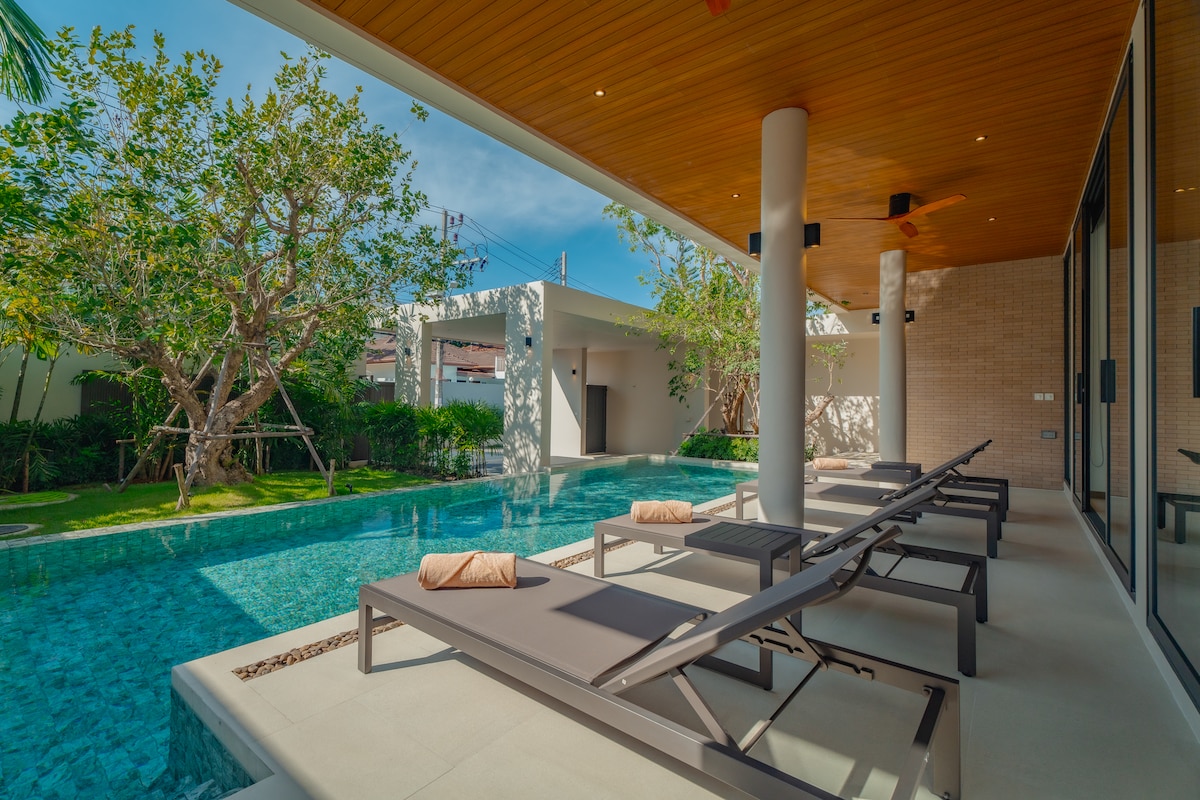
This is where we at Silqhaus come into the picture. Silqhaus, a Phuket and Pattaya holiday-rental company, has private villas and apartments in Bang Tao, a short drive south along the west coast, for travellers who want more space and a pool of their own while keeping Nai Yang’s reef and the airport within easy reach. Booking direct is always at least 10% below Airbnb and Booking.com for the same home and dates.
Getting There
Nai Yang is about 3 km from Phuket International Airport, the closest beach of any quality to arrivals, and about 30 km from Phuket Town. Metered airport taxis start at 150 THB for the first 2 km plus a 100 THB airport fee set by the Ministry of Transport, so expect roughly 250 to 300 THB to the beach (as of September 2026); Grab is also available.
For travellers with early flights, the short hop to the airport is genuinely useful: there is no other beach in Phuket where you can have a morning swim, a proper Thai breakfast and still make a 10:00 departure without rushing. It is one of the practical reasons many longer-stay visitors spend the last nights of a Phuket trip here.
Best Time to Visit
Nai Yang has a longer season than most west-coast beaches. Reef snorkelling is best from November through April, when visibility is highest, and December to March brings the clearest water and the calmest days. From May to October there are rougher days, but Nai Yang holds up better than most, a useful fact for budget-conscious travellers willing to take a chance on conditions. More ideas for planning your trip are in our travel guides.
Frequently Asked Questions
Is Nai Yang Beach good for swimming?
Yes. Nai Yang Beach is a sheltered bay with a gradual slope, and it often stays swimmable in the wet season when more exposed west-coast beaches are red-flagged. Check the flags from May to October.
Is there an entrance fee for Nai Yang Beach?
Nai Yang Beach lies inside Sirinat National Park, which charges foreign visitors 200 THB per adult and 100 THB per child aged 3 to 14 at its entrance (as of June 2026). The park is open from 08:00 to 16:30.
How far is Nai Yang Beach from Phuket Airport?
About 3 km. A metered airport taxi costs roughly 250 to 300 THB including the 100 THB airport fee (as of September 2026), and the drive takes only a few minutes.
Can you snorkel at Nai Yang Beach?
Yes, but the coral reef is 700 to 1,000 metres offshore, so most people reach it by boat. Mornings between November and April give the best visibility.
Are there turtles at Nai Yang Beach?
Nai Yang was once a nesting beach for leatherback and hawksbill turtles, but Sirinat National Park reports that no turtle eggs have been seen there since 2013.