The best food in Phuket is local Phuket cooking: Hokkien noodles, oyster cakes, southern curries and o-aew shaved ice, found in Phuket Old Town’s shophouses, morning markets and seafood markets rather than resort buffets. The island’s food culture is strong enough that UNESCO named Phuket a Creative City of Gastronomy in December 2015, the first in Thailand.
Phuket draws on centuries of Chinese, Malay and southern Thai traditions, and the result is bold, layered and genuinely unlike the food further north. Here is everything you need to know: the dishes, the neighbourhoods and the stalls where locals actually eat.
At a Glance
- Signature dishes: Mee Hokkien, oh tao oyster cake, khanom jeen, gaeng tai pla, o-aew
- Where: Phuket Old Town for local dishes, Rawai and Chalong for seafood, night markets everywhere
- Recognition: UNESCO Creative City of Gastronomy since December 2015
- Timing: Morning markets 6 am to 9 am; many noodle shops sell out by 10 am
- Budget: Street food and markets are cash-only and cheap; carry small notes
In This Guide
- Why Phuket Food Is Different
- Best Street Food in Phuket: Where to Start
- 12 Dishes to Eat in Phuket
- Where to Eat by Area
- Tips for Eating Well
- Where to Stay
- Frequently Asked Questions
- Sources
Why Phuket Food Is Different
Southern Thai food is a category of its own: spicier, sharper and more coconut-forward than the central Thai dishes most people meet first. Phuket adds another layer, its Baba (Peranakan Chinese) heritage, which shows up in dishes like Mee Hokkien and braised pork that you will not find on a standard pad thai menu.
Being an island helps too: prawns, crab, squid and fish arrive daily from local boats, and the best kitchens know exactly what to do with them.
Best Street Food in Phuket: Where to Start
Street food in Phuket is not a budget compromise; it is often the best meal of the week, served from carts and shophouses that have been in the same family for decades. Three areas are worth building a food itinerary around.

Phuket Old Town is the spiritual home of Phuket street food. Thalang Road and the surrounding Sino-Portuguese shophouses are lined with vendors selling everything from Mee Hokkien to khanom jeen, and the Sunday walking street market (Lard Yai) is the weekly highlight. Our Phuket Old Town guide covers the streets in detail.
Chillva Market on Yaowarat Road in Phuket Town is a lively night market in upcycled shipping containers, popular with locals, good for grilled satay, coconut ice cream and grilled fish. As of September 2026 it is reported open Monday to Saturday from 5 pm to 11 pm, busiest Thursday to Saturday. Malin Plaza in Patong is the most convenient if you are staying near Patong Beach: dozens of stalls and a crowd that is part tourist, part local.
12 Dishes to Eat in Phuket
These are the dishes that define local food in Phuket. Work through the list and you will have eaten the way the island actually eats, not the way it performs for tourists.
1. Mee Hokkien (Phuket Hokkien Noodles)
The most iconic dish in Phuket’s food identity. Thick yellow noodles are cooked in a rich pork-and-prawn stock until they absorb it, then finished with crispy pork, bean sprouts and spring onion. Find it at the Old Town morning market and at dedicated noodle shophouses that open at dawn and often sell out by 10 am.
2. Gaeng Tai Pla (Southern Fish Innards Curry)
If you want to understand southern Thai food in one bowl, this is it. Gaeng tai pla is made with tai pla, fermented fish innards, and tastes funky, intensely spicy and not for the faint-hearted. Made well, it is extraordinary. Eat it with plain rice to temper the heat.
3. Oh Tao (Phuket Oyster Cake)
A beloved Phuket snack with Chinese roots: small oysters fried with taro, egg and flour into a crispy-edged cake, usually served with chilli sauce. You will see it at Old Town markets and carts across the island. Cheap, fast and satisfying.
4. Por Pia Sod (Fresh Spring Rolls)
Phuket’s fresh spring rolls reflect the island’s Peranakan influence: soft wrappers filled with vegetables, crab meat and crispy shallots, served with a sweet sauce. A light breakfast or snack in the midday heat.
5. Grilled Seafood
Whole fish grilled over charcoal, stuffed with lemongrass and kaffir lime leaves, is the defining dish of a beach evening. Rawai and Chalong are the best places: sit on a plastic chair, order grilled fish or tiger prawns, and eat with your hands.

6. Khanom Jeen Nam Ya (Rice Noodles with Fish Curry)
Thin fermented rice noodles with a smooth southern fish curry, topped with boiled egg, pickled vegetables and fresh herbs. A Phuket morning staple: light, nourishing and deeply flavourful.
7. Massaman Curry
A Muslim-influenced curry that Phuket’s Thai-Muslim communities cook well: slow-cooked beef or chicken with potatoes, peanuts, cardamom and tamarind in coconut milk. Gentle, warming and fragrant rather than fiery.
8. Roti with Condensed Milk
A late-night essential. Roti carts across the island make paper-thin, buttery roti folded into squares and drizzled with condensed milk and sugar. Simple and completely addictive.
9. Pad Sataw (Stink Bean Stir-Fry)
Sataw, or stink beans, have a strong aroma and a buttery, slightly bitter flavour. Stir-fried with pork or prawns and a generous hit of chilli paste, they are one of the most intensely southern things you can eat. Do not let the name put you off.
10. Dim Sum, Phuket Style
The island’s Hokkien Chinese community left a dim sum tradition that lives on in a handful of Old Town shophouses: steamed dumplings, pork buns and rice porridge served from early morning. A quiet, unhurried way to start the day.
11. Crab Curry (Gaeng Poo)
For an indulgent dinner, blue swimming crabs are cooked in a southern curry paste with coconut milk and fresh turmeric. Cracking the shells is part of the pleasure. Rawai’s seafood restaurants and the places around Chalong are your best bet.
12. O-Aew (Phuket Shaved Ice Dessert)
Phuket’s signature dessert. O-aew is a translucent jelly made from the seeds of a creeping fig, brought by Hokkien settlers during the tin-mining boom, served over shaved ice with syrup and toppings such as red beans or grass jelly. Old Town has dedicated o-aew shops; do not leave without one.
Where to Eat by Area
Beyond the markets, much of the best food in Phuket is in sit-down restaurants. Phuket Old Town is the base for local dishes; Rawai, 17 km from Phuket Town, and Chalong are the seafood capitals; Patong, about 15 km from town, has night markets; and Kata and Karon, about 20 km from town, have relaxed local restaurants. Rawai is about 30 minutes’ drive from the Old Town, and Chalong about 20 minutes.
| Area | Best For | What to Order |
|---|---|---|
| Phuket Old Town | Authentic local dishes, Baba cuisine | Mee Hokkien, Oh Tao, O-Aew |
| Rawai / Chalong | Fresh seafood, local crowd | Grilled fish, crab curry, seafood hotpot |
| Kamala | Quiet beach dining | Massaman curry, fresh roti |
| Patong | Night markets, late-night eats | Pad Thai, roti, satay |
| Kata / Karon | Relaxed local restaurants | Gaeng Tai Pla, khanom jeen |
The best meals are almost always one or two streets back from the main beach roads, in residential lanes where the rent is lower and the recipes older. In Rawai, the seafood market lets you pick your fish and have it cooked across the road.
Tips for Eating Well
A few habits make a big difference to how well you eat in Phuket.
- Eat where locals eat at breakfast. Phuket Town’s morning markets are at their best between 6 am and 9 am.
- Follow the queues. A line at a street stall always means the food is worth stopping for.
- Set your spice level. Say mai phet (not spicy) and mean it; southern Thai heat is serious.
- Carry cash. Most street food vendors are cash-only; small notes are ideal.
- Try the unfamiliar. The dishes that look strangest often become your favourites.
Where to Stay
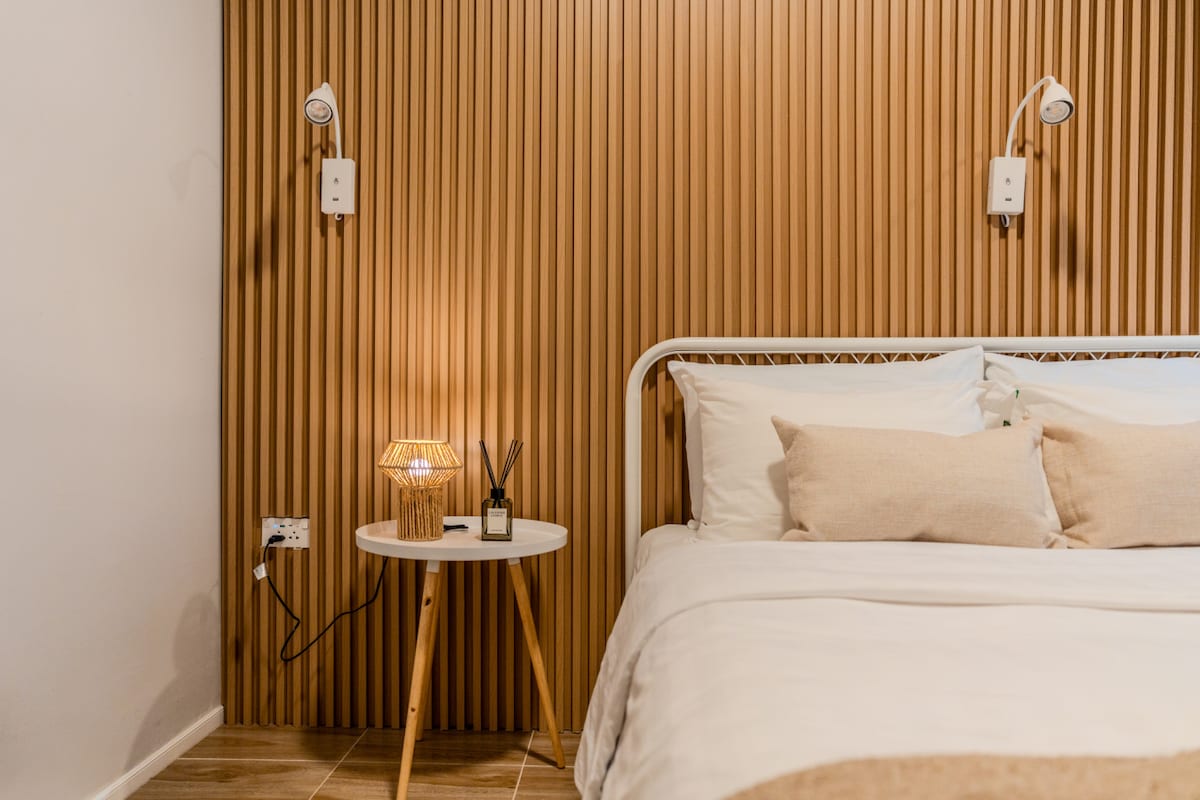
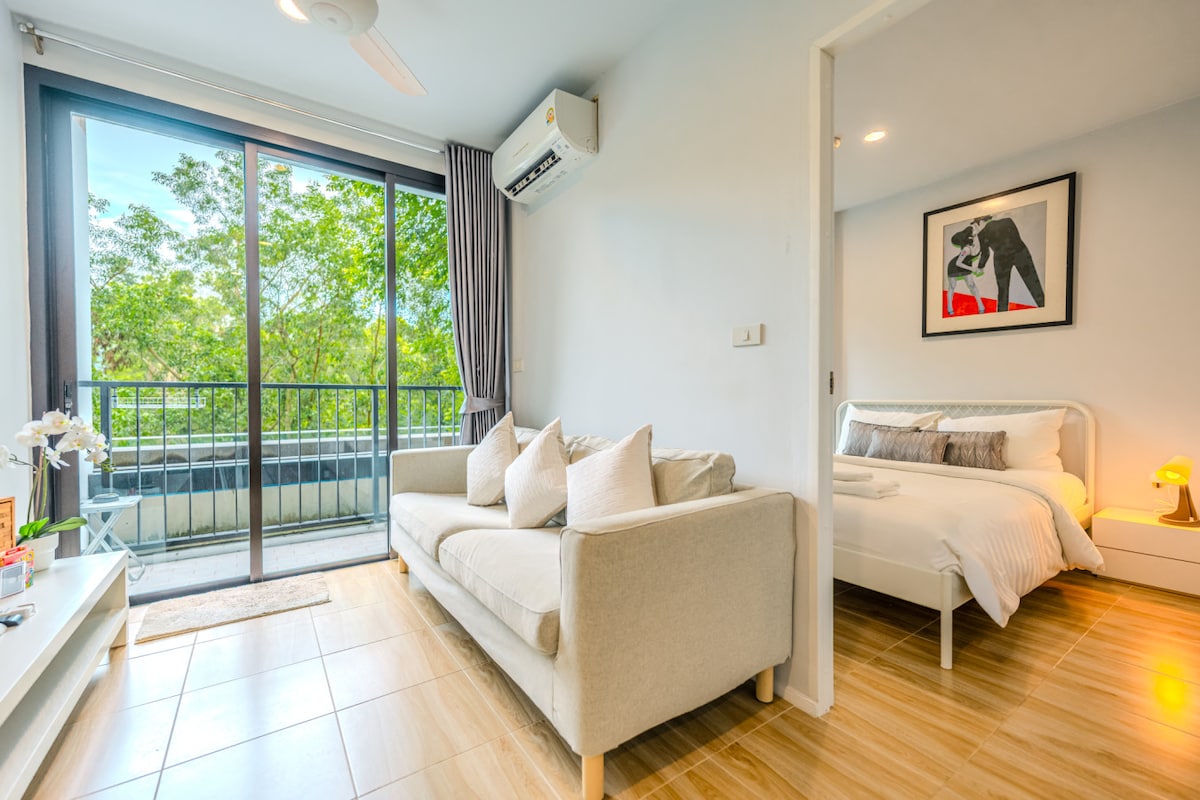
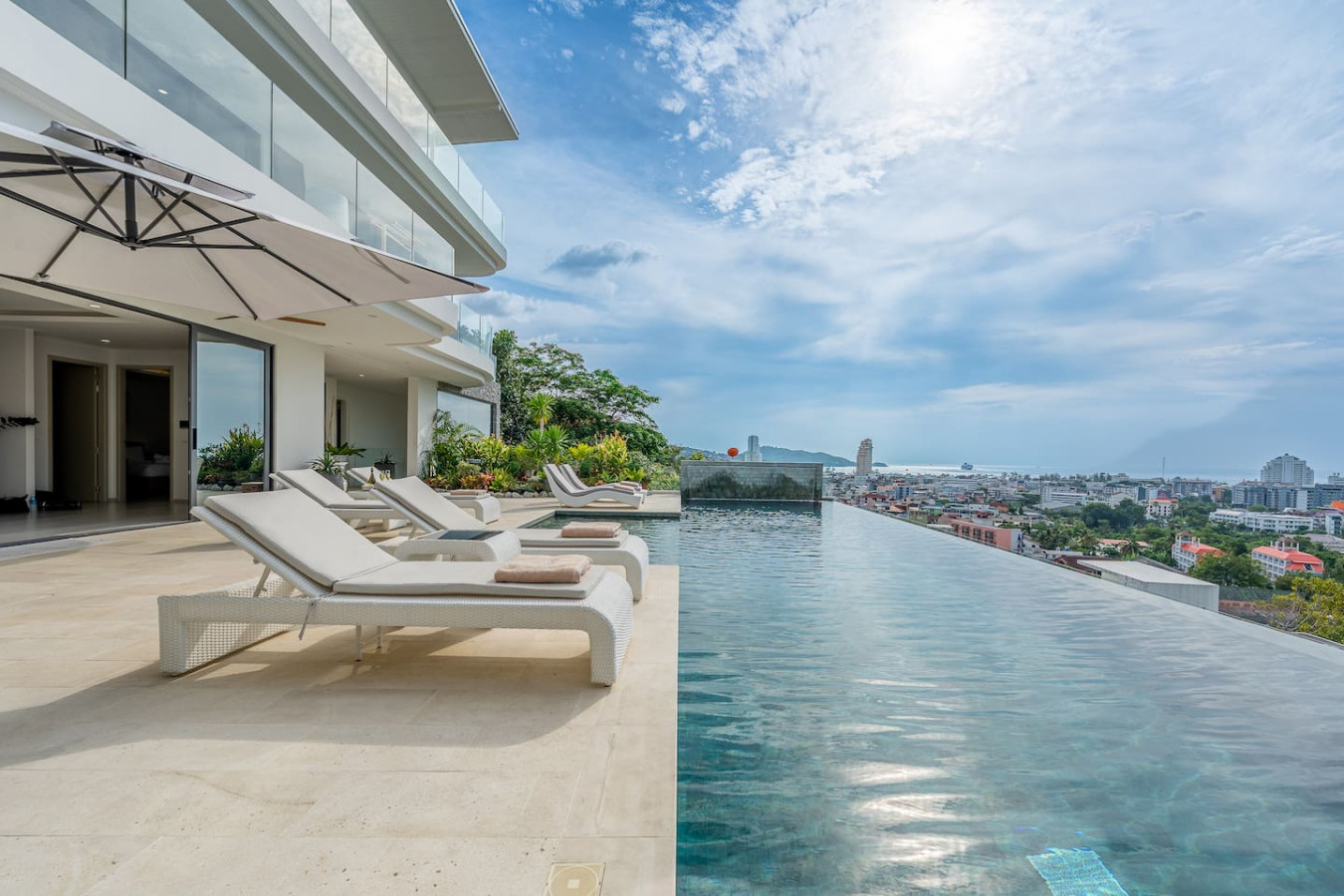
This is where we at Silqhaus come into the picture. Silqhaus, a Phuket and Pattaya holiday-rental company, has private villas close to the island’s best food neighbourhoods: Niva Villa, with a lake view near Phuket Old Town, and Treva Villa, a three-bedroom pool villa near Phuket Town, put the morning markets minutes away, while Sava Villa in Rawai sits near the seafood market.
Our local team answers your messages from the first day and can suggest markets and restaurants near where you are staying. Booking direct is always at least 10% below Airbnb and Booking.com for the same home and dates.
Frequently Asked Questions
Where can I find the best food in Phuket?
The best food in Phuket is in Phuket Old Town’s shophouses and morning markets, the Rawai and Chalong seafood markets, and night markets such as Chillva and the Sunday walking street. Go where locals queue.
What is the most famous local food in Phuket?
Mee Hokkien is the dish most associated with Phuket: thick yellow noodles cooked in a pork-and-prawn stock, with Hokkien Chinese roots. O-aew, a shaved-ice dessert with fig-seed jelly, is a close second.
Is street food in Phuket safe to eat?
Broadly, yes, especially at busy stalls with high turnover. Choose food cooked fresh in front of you; the morning markets and walking street vendors are consistently reliable.
Where is the best street food market in Phuket?
Phuket Old Town’s Sunday walking street market (Lard Yai) on Thalang Road is the most famous. For a local evening, Chillva Market on Yaowarat Road is popular with residents.
How spicy is the food in Phuket?
Southern Thai food, the base of Phuket cooking, is among the spiciest in Thailand. Restaurants will usually adjust the heat, and dishes like Massaman curry and fresh spring rolls are mild.
Why is Phuket a UNESCO City of Gastronomy?
UNESCO named Phuket a Creative City of Gastronomy in December 2015 for its traditional food culture, passed down through generations and shaped by Chinese, Malay and southern Thai influences.
Sources
- UNESCO Creative Cities Network: Phuket, City of Gastronomy
- TAT Newsroom: Phuket recognised in UNESCO Creative City listing (December 2015)
- Cover photo: Photo: Christophe95, CC BY-SA 4.0, via Wikimedia Commons