
The Sanctuary of Truth Pattaya is a hand-carved wooden sanctuary on the seafront at Naklua, north Pattaya, with a tallest spire of 105 metres, built without metal nails and still under construction since 1981. Day tickets cost 500 THB for adults and 250 THB for children 110 to 140 cm, and day tours run from 8.20 am to 6 pm (as of September 2026).
Most visitors to Pattaya never see its most extraordinary building. They stay on the beach and the strip, while a few kilometres north a wooden castle covered in carvings rises from a headland on the Gulf of Thailand. Here is what to know before you go: tickets, hours, the story behind it and how to get there.
At a Glance
- Where: Laem Ratchawet, Naklua, north Pattaya (Pattaya-Naklua Road)
- Hours: Day tours 8.20 am to 6 pm, tickets 8 am to 5 pm; night tours 6.20 to 8.30 pm
- Tickets: Adults 500 THB day / 700 THB night; children 110 to 140 cm 250 / 350 THB; under 110 cm free
- Allow: 2 to 3 hours
- Rules: Modest dress, helmets inside (provided), no drones
In This Guide
- What Is the Sanctuary of Truth?
- The Story Behind It
- What You Will See Inside
- The Four Wings and Their Meaning
- Tickets and Opening Hours
- Best Time to Visit
- How to Get There
- Photo Tips
- Practical Tips
- Nearby Attractions
- Frequently Asked Questions
- Sources
What Is the Sanctuary of Truth?
The Sanctuary of Truth (Prasat Satchatham) is a wooden building on 13 hectares of seafront land, with an interior of about 2,115 square metres. Every surface is covered in hand-carved sculptures drawing on Buddhist, Hindu, Khmer and Chinese beliefs.

The whole structure is wood, including takien and teak, joined with traditional techniques: pegs, wedges and slots rather than metal nails. It is a museum rather than a temple, but its scale and carvings make it feel deeply spiritual.
The Story Behind the Sanctuary
The sanctuary was the vision of Thai businessman Lek Viriyaphan, who also created the Ancient City and the Erawan Museum near Bangkok. Construction began in 1981, with the aim of expressing Eastern ideas about creation, the cosmos and humanity’s place in it through art and architecture.
Work has never stopped. Carvers still work on site, adding new sections and replacing weathered ones, because wood by the sea needs constant care. The idea that the search for truth is never finished is built into the project itself.
What You Will See Inside
Step inside and the scale is overwhelming: huge wooden pillars rise high overhead, every surface carved with deities, mythical creatures and scenes from ancient cosmology. Some carvings stand out in high relief; others are delicate openwork that throws patterns of light across the floor.
You will almost certainly see artisans at work with hand tools. Because construction is ongoing, helmets are required inside and are provided at the entrance.
The Four Wings and Their Meaning
The building has four wings, one facing each direction, each with its own theme. Together they express the idea that different traditions share the same truths.
- North: Buddhist wisdom, with sculptures of Guanyin, the bodhisattva of compassion.
- South: the heavens: the sun, the moon and the planets.
- West: the classical elements and the Hindu trinity of Brahma, Vishnu and Shiva.
- East: the family and the bonds between parents and children.
Guided tours are included with your ticket and explain the symbolism, so you do not need to know Buddhist or Hindu philosophy to enjoy the carvings.
Sanctuary of Truth Pattaya Tickets and Opening Hours
The sanctuary is open daily. Day tours run from 8.20 am to 6 pm, with tickets sold from 8 am to 5 pm; night tours run from 6.20 to 8.30 pm, with tickets sold from 5.30 to 7.30 pm (as of September 2026, per the official visit page).
| Ticket | Day tour | Night tour |
|---|---|---|
| Adults | 500 THB | 700 THB |
| Children 110 to 140 cm | 250 THB | 350 THB |
| Children under 110 cm | Free | Free |
Parking at the Sanctuary of Truth Pattaya is free. Plan on 2 to 3 hours to see the building, the grounds and a show without rushing.
Best Time to Visit
Late afternoon is the best time: arrive around 3 pm to tour the inside, then catch the warm light on the wood before closing. Early morning, soon after 8.20 am, is cooler and quieter, and beats the tour groups in the busy November to February season.
The night tour shows the building lit up after dark, a different mood from the day visit. Show times on the grounds vary by season, so check them at the ticket desk when you arrive.
How to Get to the Sanctuary of Truth
The sanctuary is at the end of Soi Naklua 12, off Pattaya-Naklua Road, about 15 minutes by car from central Pattaya.
- Grab or Bolt: the easiest way there. Pickups at the gate can be slow, so allow time or arrange your ride back.
- Baht bus (songthaew): shared pickups run north along Naklua Road; get off near the Naklua Soi 12 turn and walk down the soi.
- By car or scooter: follow Naklua Road north and turn into Soi 12; parking is free.
- From Bangkok: about 2 hours by road, so it works as part of a Pattaya day trip.
Our Bangkok to Pattaya and Koh Larn guide covers getting to Pattaya itself.
Photo Tips for the Sanctuary
The building is hard to fit into one frame, so a wide-angle lens or your phone’s 0.5x camera helps. The classic shot is from the seafront and the approach paths, with the sanctuary against the sea.

Inside, get close to the carvings: faces, lotus motifs and layered wood grain. Late-afternoon light makes the wood glow. Drones are not allowed.
Practical Tips Before You Go
A little preparation makes the visit easier:
- Dress modestly: cover shoulders and knees; shawls and sarongs can be borrowed for a 200 THB deposit.
- Wear proper shoes: there are stairs, uneven ground and building work.
- Bring water and sunscreen: parts of the grounds are exposed, and the heat peaks from 11 am to 2 pm.
- No food, drinks, pets or smoking inside the museum.
Nearby Attractions Worth Combining
The sanctuary is in Naklua, the quieter district north of central Pattaya. Wongamat Beach, just south, is calmer than Pattaya Beach, and Naklua’s seafood market is good for an early dinner. Our Wongamat Beach guide covers the beach, the food stalls and how to get there.
For a full day, pair the sanctuary with Nong Nooch Tropical Garden, south of the city, or a morning trip to Koh Larn. Our things to do in Pattaya guide has more ideas.
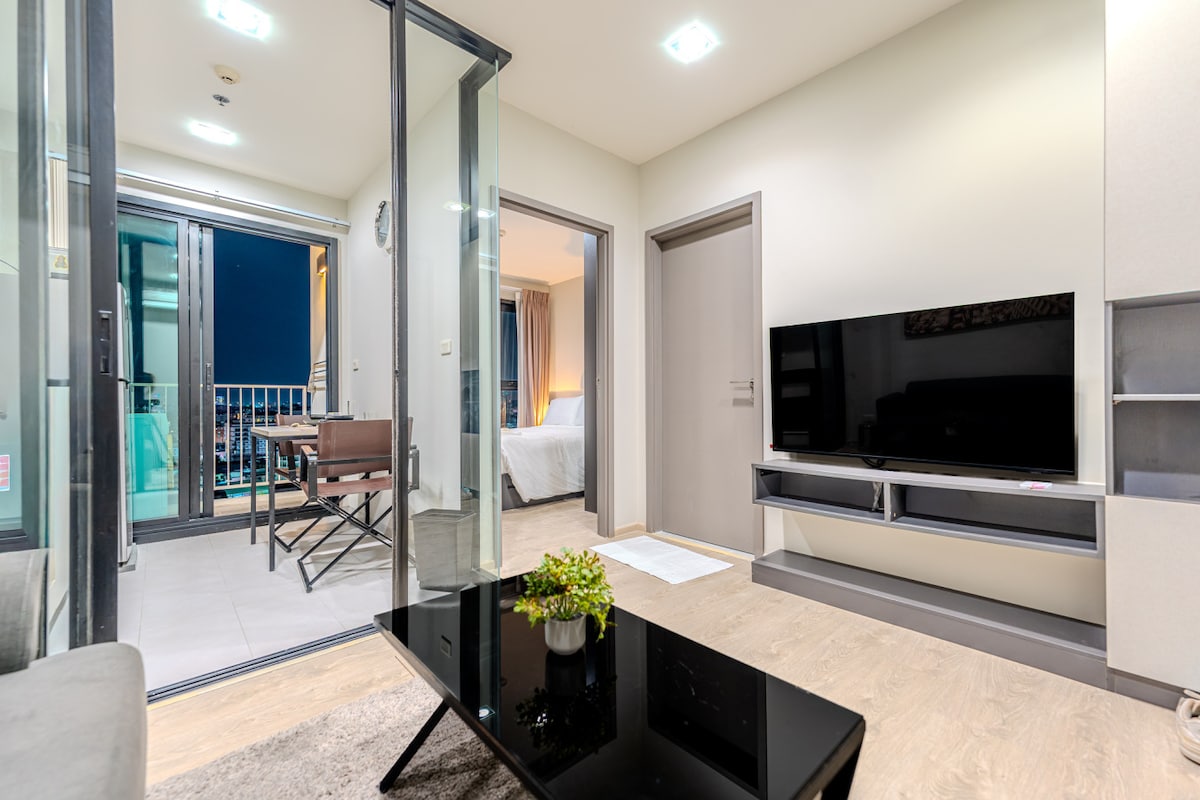
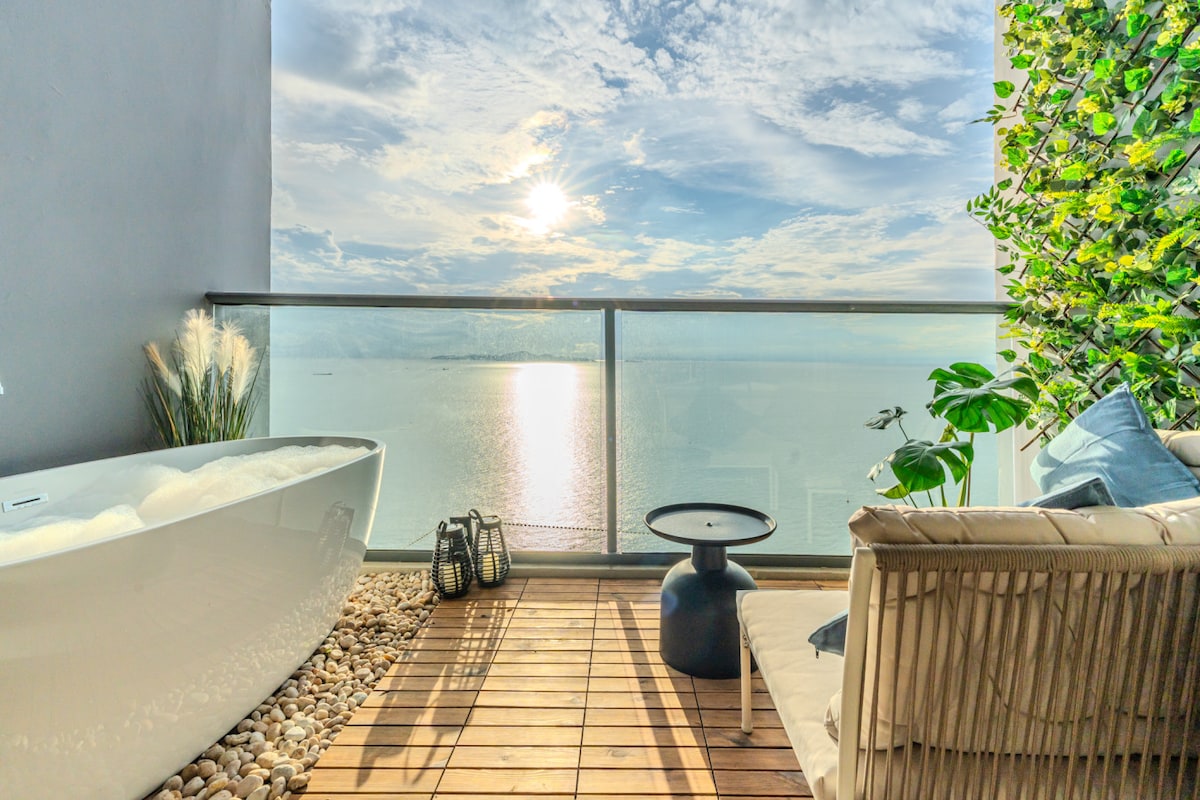
This is where we at Silqhaus come into the picture. Silqhaus, a Phuket and Pattaya holiday-rental company, has Zire Wongamat, a beachfront condo with sea views on Wongamat Beach, close to the Sanctuary of Truth, plus The Base in Pattaya. Booking direct is always at least 10% below Airbnb and Booking.com for the same home and dates.
Frequently Asked Questions
How much is the Sanctuary of Truth ticket?
500 THB for adults and 250 THB for children 110 to 140 cm on the day tour; 700 and 350 THB on the night tour. Children under 110 cm enter free (as of September 2026).
What are the Sanctuary of Truth opening hours?
Day tours run from 8.20 am to 6 pm, with tickets sold from 8 am to 5 pm. Night tours run from 6.20 to 8.30 pm.
Is the Sanctuary of Truth finished?
No. Construction began in 1981 and carvers still work on site, which is why helmets are required inside.
What should I wear?
Cover your shoulders and knees. Shawls and sarongs can be borrowed for a 200 THB deposit.
Sources
- Sanctuary of Truth Museum: Visit us (hours, tickets, rules)
- Wikipedia: Sanctuary of Truth (history, size, wings)
- Cover photo: Photo: Jonashtand, CC BY-SA 4.0, via Wikimedia Commons
.jpg)
.jpg)
