The best deep diving spots in Thailand are the Similan Islands and Richelieu Rock in the Andaman Sea (open 15 October to 15 May), the King Cruiser wreck near Phuket at about 32 metres, the 60-metre walls of Hin Daeng and Hin Muang off Koh Lanta, Sail Rock near Koh Samui, Chumphon Pinnacle off Koh Tao, and the pinnacles around Koh Lipe. Dive the Andaman from November to April and the Gulf from about March to September.
Thailand has two very different seas: the Andaman to the west and the Gulf of Thailand to the east, with opposite seasons. Here is where to point your fins, and when.
At a Glance
- Andaman season: About November to April; Similan and Surin parks open 15 October to 15 May
- Gulf season: About March to September (Koh Samui, Koh Tao)
- Deepest walls: Hin Daeng and Hin Muang, more than 60 m
- Best wreck: King Cruiser near Phuket, about 32 m
- Water temperature: About 28 to 30°C
In This Guide
- 1. Similan and Surin Islands
- 2. Phuket
- 3. Koh Lanta: Hin Daeng and Hin Muang
- 4. Koh Samui and Sail Rock
- 5. Koh Tao
- 6. Koh Lipe
- What You Need
- When to Dive Where
- Where to Stay
- Frequently Asked Questions
- Sources
1. The Similan and Surin Islands (Andaman Coast)
Best for big fish, visibility and dramatic scenery. Instead of fringing reefs, the Similans have huge granite boulders that form swim-throughs, canyons and caverns. Elephant Head Rock is the classic deep site, and manta rays and whale sharks are seen in season.

The national park is open from 15 October to 15 May (as of September 2026). Most divers go on liveaboards; day trips leave from Thap Lamu near Khao Lak, about 1.5 to 2 hours north of Phuket.
Further north, Richelieu Rock, a horseshoe-shaped pinnacle in the Mu Ko Surin area north of the Similans, is often named Thailand’s best single dive site. It is famous for macro life, clouds of glassfish and whale shark sightings. Most divers reach it on Similan liveaboards or on trips from Khuraburi, during the same mid-October to mid-May season.
2. Phuket (Andaman Coast)
Best for variety, convenience and day trips. Phuket has the biggest choice of dive schools in the Andaman and is a launchpad for most of its sites, which makes it a good place to get a deep diving license.

Highlights include Shark Point, known for leopard sharks, the Racha islands for easy training dives, and the King Cruiser wreck, a ferry that sank in 1997 and now sits at about 32 metres. Diving runs year-round, but conditions are best from November to April. Liveaboards to the Similans and Richelieu Rock also leave from Phuket and Khao Lak, usually for 3 to 5 days, which is the easiest way to dive the remote sites at dawn before the day boats arrive.
3. Koh Lanta: Hin Daeng and Hin Muang
Best for deep walls and manta rays. Hin Daeng (Red Rock) and Hin Muang (Purple Rock), south of Koh Lanta, are Thailand’s deepest wall dives, dropping to more than 60 metres and covered in soft corals. They act as cleaning stations for manta rays. They can be reached from Phuket, but Koh Lanta is closer.

4. Koh Samui and Sail Rock (Gulf Coast)
Best for relaxed resort diving and one standout deep site. When the monsoon hits the Andaman, head to the Gulf. Koh Samui has local reefs and trips to Ang Thong Marine National Park, but its real draw is Sail Rock (Hin Bai), a pinnacle rising from about 40 metres to above the surface.

Its highlight is the Chimney, a vertical swim-through entered at about 6 metres and exited at around 18 metres. The Gulf is best from about March to September.
5. Koh Tao (Gulf Coast)
Best for beginners and courses. Koh Tao certifies huge numbers of divers every year thanks to its sheltered, clear bays. Its deep highlight is Chumphon Pinnacle, where whale sharks and occasionally bull sharks appear, a thrill once you are qualified beyond Open Water.

6. Koh Lipe (Southern Andaman)
Best for soft corals and quieter reefs. Koh Lipe sits in Tarutao National Park near the Malaysian border, far from the Phuket crowds. Stonehenge is its best-known deep pinnacle, with violet soft corals and schools of barracuda. The season runs roughly November to May.

What You Need to Dive the Deep Spots
Most of these sites go below 18 metres, so check your certification before booking:
- Open Water (to 18 m): fine for the Similans’ shallower sites, Koh Tao’s bays and Phuket’s Racha islands.
- Advanced Open Water (to 30 m): the minimum most operators ask for at the King Cruiser, Richelieu Rock, Sail Rock and Chumphon Pinnacle.
- Deep Diver (to 40 m): lets you use the full depth of Hin Daeng, Hin Muang and the deeper pinnacles.
- Experience: currents can be strong at the Andaman pinnacles; operators may ask for a logbook and recent dives.
National park fees are charged on top of trip prices at the Similans, Surin, Lanta and Tarutao, and dive insurance is strongly recommended for any deep diving, including chamber treatment.
When to Visit the Deep Diving Spots in Thailand
Thailand has diving all year, just not in the same place:
| Months | Where to dive |
|---|---|
| November to April | Andaman: Similans, Surin, Phuket, Koh Lanta, Koh Lipe |
| March to September | Gulf: Koh Samui, Koh Tao |
| October to December | Gulf monsoon; Andaman parks reopen from 15 October |
The water is warm, about 28 to 30°C, and most currents are manageable, which makes Thailand one of the easiest places in Asia to dive. For the weather on land, see the best time to visit Phuket.
Where to Stay: Phuket as Your Base
If you choose Phuket, where you sleep matters: most dive boats leave from Chalong Pier in the south, so staying in Rawai or near Chalong saves an hour of morning traffic.
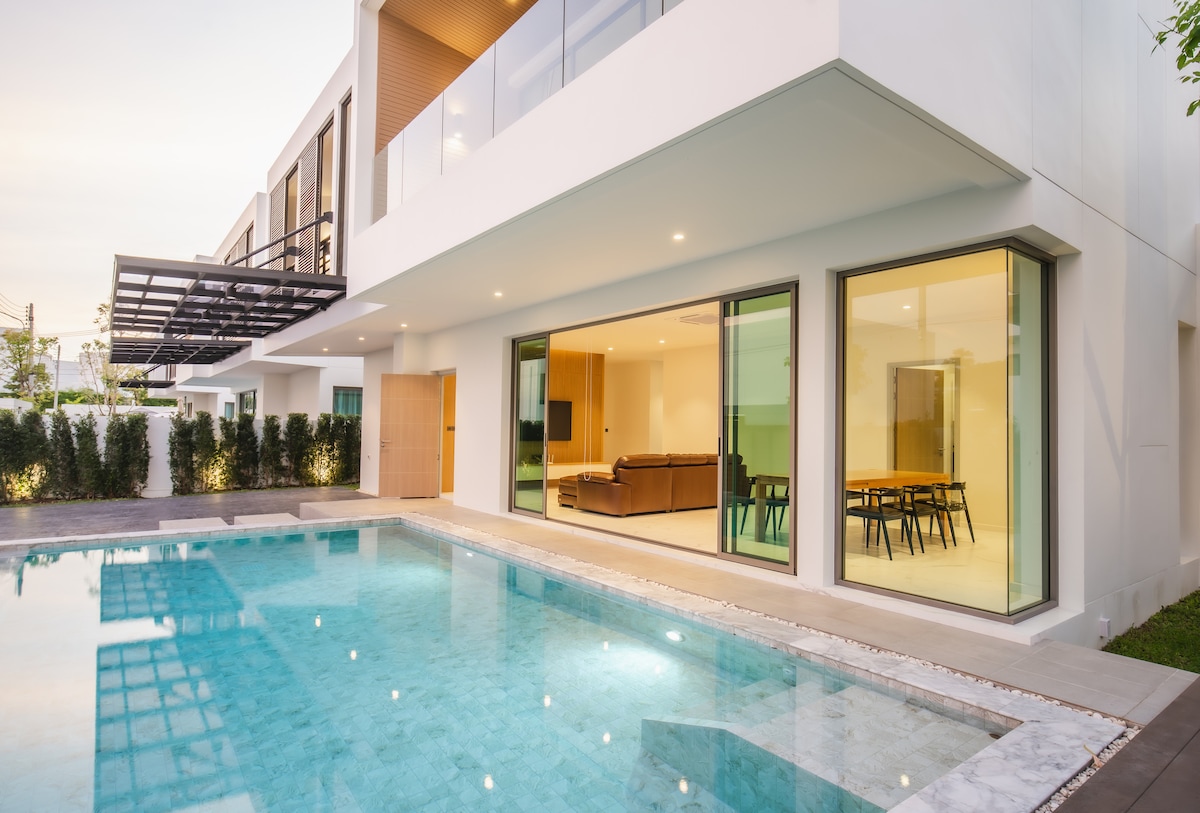
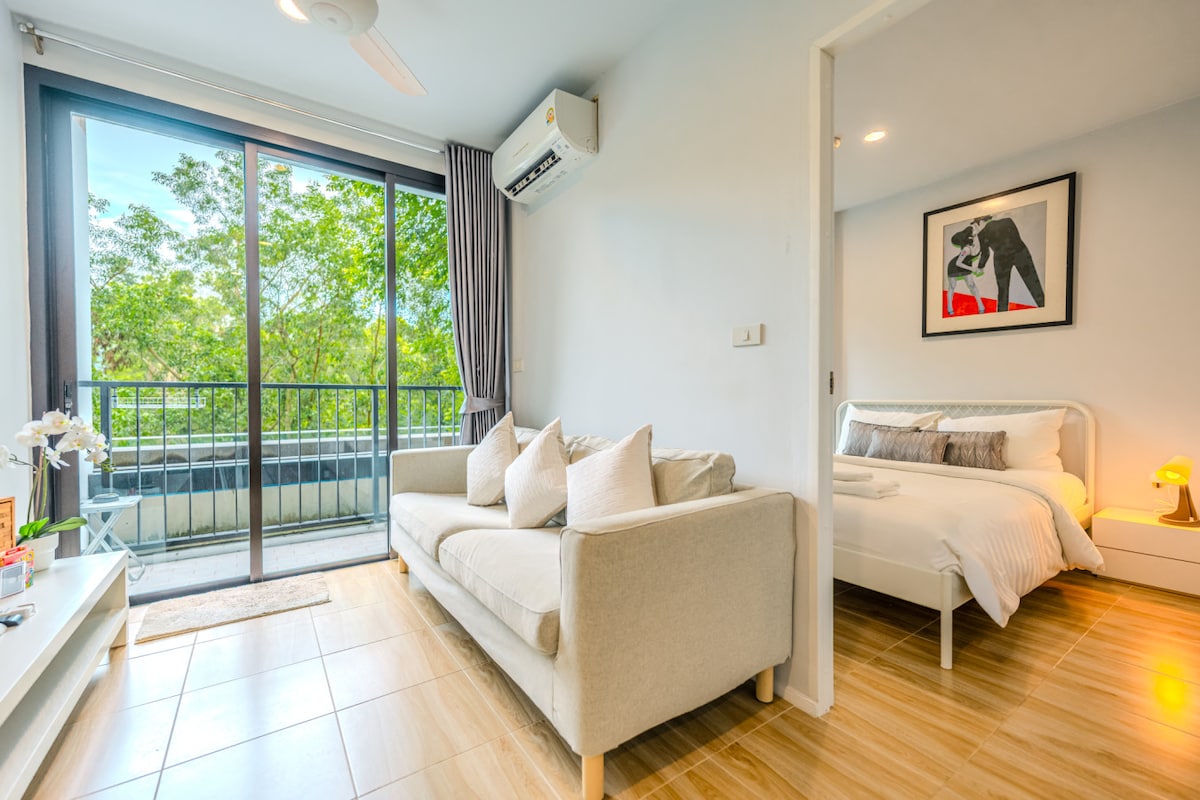
This is where we at Silqhaus come into the picture. Silqhaus, a Phuket and Pattaya holiday-rental company, has Sava Villa in Rawai, a private villa with a 10-metre pool, and villas near Phuket Town, all a short drive from Chalong Pier. Booking direct is always at least 10% below Airbnb and Booking.com for the same home and dates.
Frequently Asked Questions
What is the best diving spot in Thailand?
Richelieu Rock and the Similan Islands are usually rated highest, with Hin Daeng and Hin Muang best for deep walls and manta rays.
When is the Similan Islands dive season?
The national park is open from 15 October to 15 May; conditions are best from about December to April.
Where can I dive in Thailand from May to September?
The Gulf of Thailand: Koh Samui (Sail Rock) and Koh Tao (Chumphon Pinnacle).
How deep is the King Cruiser wreck?
It rests upright at about 32 metres, so it suits Advanced or deep-certified divers.