Patong Beach is Phuket’s busiest and best-known beach: about 3 km of sand on the west coast, roughly 15 km from Phuket Town and 35 km from the airport, with Bangla Road’s nightlife a few blocks back. It is loud and commercial, but the quieter northern end is genuinely beautiful and the bay faces west for sunsets.
Patong is the first name most travellers hear when planning a trip to Phuket. Whether you are chasing sunset cocktails, water sports or simply a sunbed with someone bringing you pad thai, it delivers. It is not a one-note destination, either: the northern end is relaxed, the central strip pulses with energy, and the southern shore opens a back door to Freedom Beach. Here is everything you need to know before dropping your towel on the sand.
At a Glance
- Where: West coast, about 15 km from Phuket Town and about 35 km (45 minutes) from the airport
- Beach: About 3 km of sand in three sections: quieter north, busy centre, calmer south
- Swimming: Calm from November to April; red flags and strong waves from May to October
- Nightlife: Bangla Road, a strip of roughly 400 m, closed to traffic in the evening
- Day trip: Freedom Beach by longtail from the southern end, priced per boat
In This Guide
- Why Patong Beach Is Phuket’s Most Popular Strip
- The Three Sections of Patong Beach
- Best Things to Do at Patong Beach
- Bangla Road and Patong Nightlife
- Where to Eat Near Patong Beach
- Beach Clubs and Bars
- Best Time to Visit Patong Beach
- How to Get to Patong Beach
- Where to Stay Near Patong
- Tips for First-Time Visitors
- Frequently Asked Questions
- Sources
Why Patong Beach Is Phuket’s Most Popular Strip
Patong has been Phuket’s tourism centre since backpackers first found its sand in the 1970s. What started as a quiet fishing village is now a full resort town with hotels in every price range, restaurants serving everything from Thai to Russian food, and one of Southeast Asia’s best-known nightlife strips.
The draw is convenience: water sports, Thai massage on the sand, restaurants of every kind and late dance floors all within walking distance. The beach itself remains genuinely beautiful. The bay faces west for golden sunsets, and on calm days the water shifts between pale turquoise and deep Andaman blue.
Honesty matters, though. Patong is loud and commercial. If you want a quiet escape, this is not your beach; if you want maximum options within walking distance, it is the centre of the action.
The Three Sections of Patong Beach
Not all of Patong feels the same. The beach divides naturally into three zones, and choosing the right one makes all the difference.
The northern end is the most beautiful section. The sand is softer, the water clearer and tall palms line the shore. Parking is easier, street food vendors set up along the road, and the atmosphere is relaxed. For a beach day without the circus, head north.
The central strip sits directly in front of the main restaurant and bar district. This is where the energy peaks: sunbed rentals, massage vendors, parasailing operators and jet-ski touts compete for your attention. It gets crowded in high season, and parking is a challenge even for motorbikes, but the people-watching is world-class.
The southern end is quieter and more laid-back, and it is where longtail boats leave for Freedom Beach, a cove that feels worlds apart from Patong. Boats are priced per boat for the return trip, so agree the price and pick-up time before you go.
Best Things to Do at Patong Beach
The beach itself is an all-day activity. Rent a sunbed and umbrella and vendors will bring you everything from a cold Singha to fresh fruit shakes. Here is how to make the most of a day on the sand.

Water sports dominate the central section: parasailing, jet skis, banana boats and paddleboards. Prices are set by the operators and vary, so agree the price and the time before you start, ask about insurance, and photograph the equipment beforehand to avoid damage disputes.
Muay Thai is worth experiencing, whether you train or just watch. Patong Boxing Stadium hosts regular bouts, and the intensity is remarkable; several gyms around Patong offer beginner classes if you want to try it yourself.

Loma Park, a public park by the beach road, has a children’s play area and outdoor exercise equipment, a good break when the kids have had enough sand and salt water. For more ideas, see what to do in Patong.
Bangla Road and Patong Nightlife
Bangla Road is impossible to ignore. A few blocks from the sand, this strip of roughly 400 metres closes to traffic in the evening and turns into a neon-lit spectacle of bars, clubs, live music and street performers. Whether you party or prefer to watch from a distance, walking it once is part of the Patong experience.

Big clubs such as Illuzion bring international DJs and production-level light shows, and beer bars with live bands line both sides of the street. The atmosphere peaks late, well after midnight. Bangla is loud and not everyone’s scene; if you prefer something calmer, head to a beach bar or a rooftop instead.
Where to Eat Near Patong Beach
Restaurants in Patong serve everything from sushi to stroganoff, but finding genuinely good Thai food takes a little effort: the tourist-facing places on the beachfront tend to put volume before flavour.

For fine dining, L’Arôme by the Sea sits on the cliffs above Kalim Beach, just north of Patong: a contemporary French restaurant listed in the MICHELIN Guide Thailand since 2023, with uninterrupted sea views and, as of September 2026, dinner from 4 pm (closed Mondays). At the other end of the scale, street food stalls along the northern beachfront serve excellent pad thai, grilled skewers and fruit for a fraction of restaurant prices; look for the stalls where locals queue. In between, the food courts inside Jungceylon shopping centre offer variety, air conditioning and reasonable prices.
Beach Clubs and Bars
Patong has moved well beyond sunbeds and bucket cocktails, with beachfront bars and beach clubs offering pools, DJs and cocktails through the afternoon. Venues change often, so check recent reviews before you go.

For the island’s best-known beach-club scene, Bang Tao on the northwest coast is home to Catch Beach Club and several others, about 30 to 40 minutes’ drive north.
Best Time to Visit Patong Beach
November to April is high season: calm water, reliably blue skies and the beach at full capacity. December and January are the busiest months, with prices and crowds peaking around Christmas and New Year.
May to October brings the southwest monsoon: stronger waves, red flags and dangerous swimming on rough days, but lower prices, thinner crowds and a noticeably more relaxed Patong. For the best balance, aim for November or late April, and see our guide to the best time to visit Phuket for every month.
How to Get to Patong Beach
Phuket International Airport is about 35 km north, roughly 45 minutes by road depending on traffic. Metered airport taxis start at 150 THB for the first 2 km plus a 100 THB airport fee set by the Ministry of Transport (as of September 2026); Grab and hotel transfers are also available. For bus times, fares and every other option, see our guide to getting from Phuket airport to Patong.
From Phuket Town, Patong is about 15 km west over the hill, a road with some of the island’s best elevated views. Once in Patong, most things are walkable; tuk-tuks and motorbike taxis cost more than elsewhere on the island, and Grab and Bolt usually offer better value, though cars can be scarce at peak times.
Where to Stay Near Patong
Patong has hotels for every budget. The central beachfront puts you steps from the sand and Bangla Road, while the northern end offers quieter properties with easier beach access. For views, the hillside resorts around the bay give panoramas with a buffer from the noise, and budget travellers will find guesthouses and hostels in the back streets.
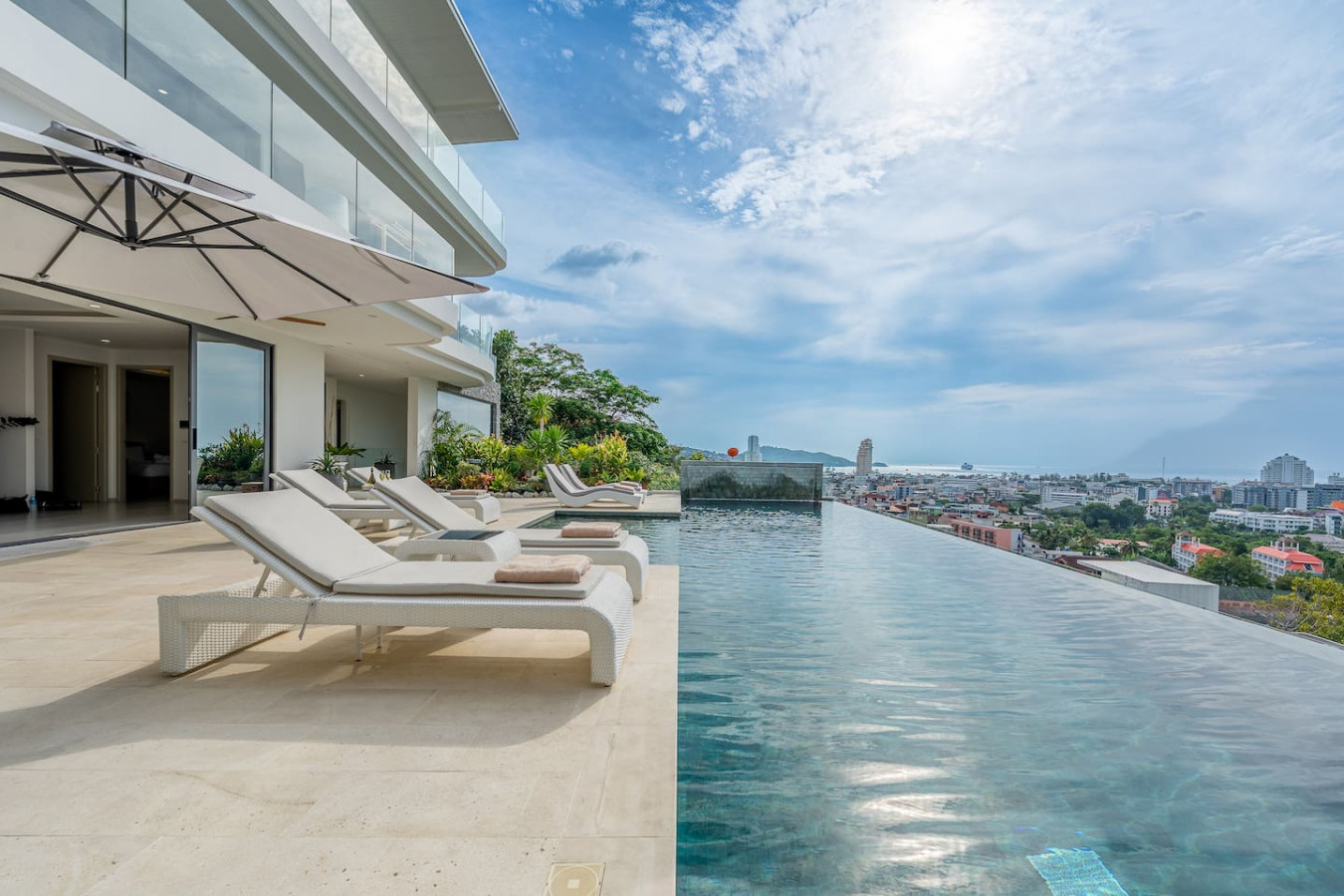
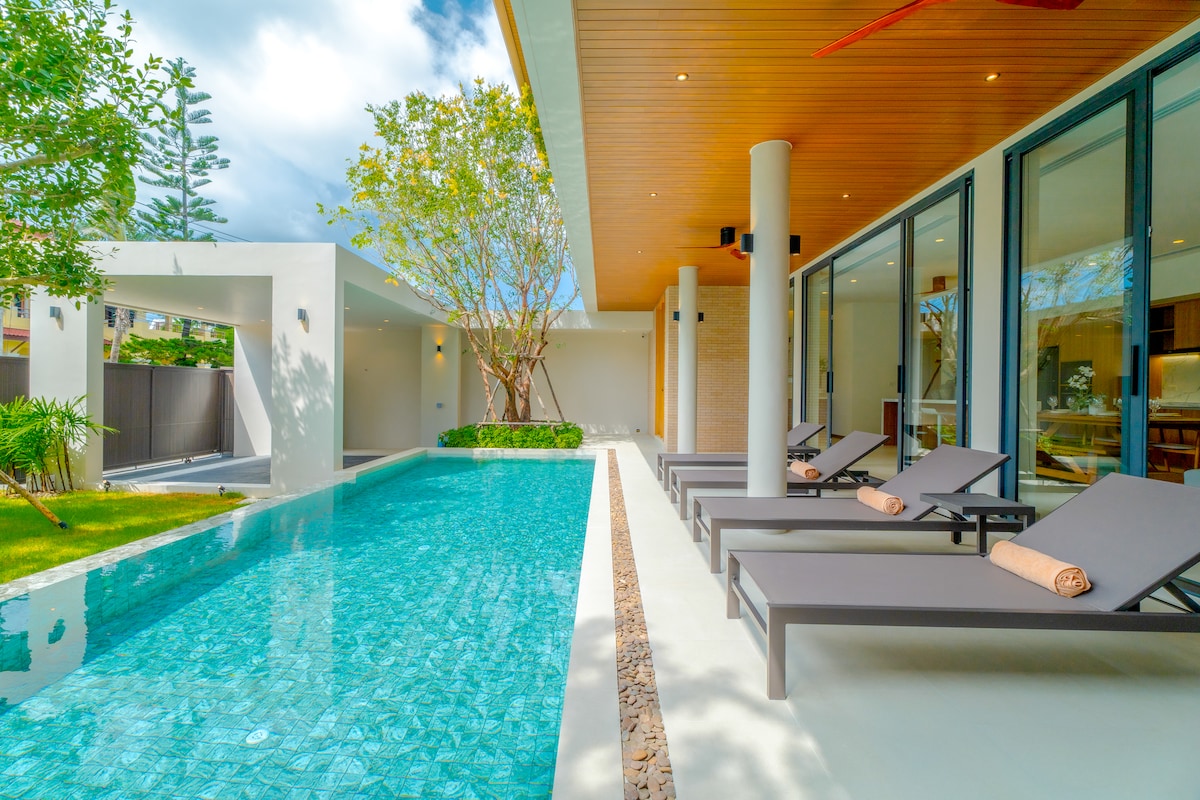
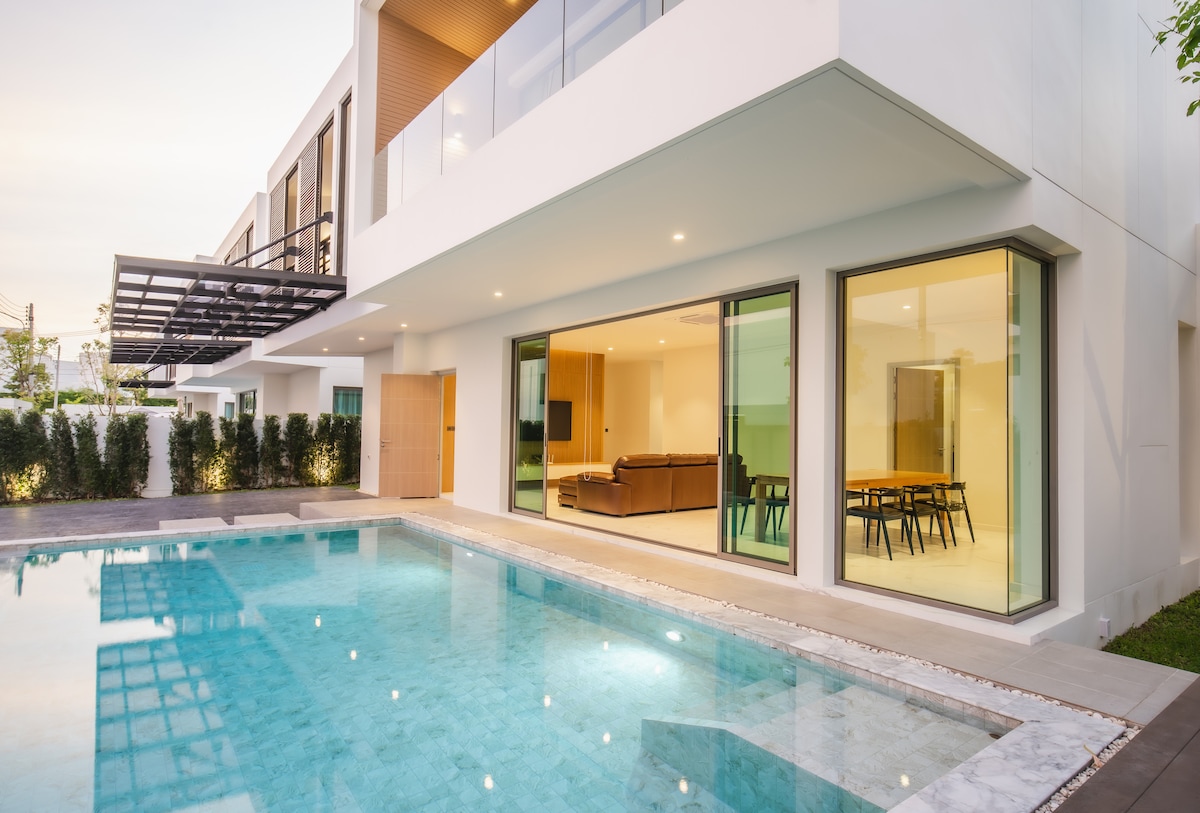
This is where we at Silqhaus come into the picture. Silqhaus, a Phuket and Pattaya holiday-rental company, has BS Villa Phuket in Patong: a private villa with a pool and views over the bay, close to the action but with space to decompress after a day on the sand. Booking direct is always at least 10% below Airbnb and Booking.com for the same home and dates.
Tips for First-Time Visitors
Sunscreen is non-negotiable. The tropical sun hits hard; apply generously and reapply after swimming. Watch your belongings: Patong is generally safe, but petty theft happens in crowded areas, so keep valuables in your room safe and never leave phones on a sunbed. Negotiate wisely: agree prices before any activity or boat trip, and photograph rental equipment first.
Explore beyond the strip. Patong is a gateway, not a boundary: Karon and Kata are about 15 to 20 minutes south, and Kamala and Surin a short ride north for a completely different beach day. Patong will not be the quietest day of your trip, but it might be the most memorable.
Frequently Asked Questions
Is Patong Beach good for swimming?
From November to April, yes: the sea is usually calm. From May to October the monsoon brings strong waves and red flags; stay out of the water when they are flying.
How long is Patong Beach?
Patong Beach is about 3 km long, from the quieter northern end to the southern end where boats leave for Freedom Beach.
How far is Patong from Phuket Airport?
About 35 km, roughly 45 minutes by road. Metered airport taxis start at 150 THB for the first 2 km plus a 100 THB airport fee (as of September 2026).
How do I get to Freedom Beach from Patong?
Take a longtail boat from the southern end of Patong Beach. Boats are priced per boat for the return trip, so agree the price and pick-up time before you leave.