The Destination Thailand Visa (DTV) is a 5-year, multiple-entry visa for remote workers, freelancers, people joining Thai activities such as Muay Thai or cooking courses, and their families. Each entry allows a stay of up to 180 days, extendable once by up to 180 days, and applicants need at least 500,000 THB in funds. Since 2026, applicants also need a police clearance certificate and must usually apply in their country of nationality or residence (as of September 2026).
More people are not just visiting Thailand but staying for months at a time. The DTV was created for them. Here is who qualifies, what you need and how to apply, based on official Thai embassy information. Rules differ slightly between embassies, so always check the one where you will apply.
At a Glance
- Validity: 5 years, multiple entries
- Stay per entry: Up to 180 days, extendable once by up to 180 days
- Funds: At least 500,000 THB
- Categories: Workcation, Thai soft power activities, dependants
- Apply: Online through the official Thai e-Visa system (as of September 2026)
In This Guide
- What Is the DTV?
- Who Can Apply: Three Categories
- Requirements
- Changes in 2026
- How to Apply
- After You Arrive
- Where to Live on a DTV
- Frequently Asked Questions
- Sources
What Is the Destination Thailand Visa?
The DTV lets you stay in Thailand for up to 180 days per entry over a 5-year validity, with as many entries as you like. Each stay can be extended once, by up to 180 days, at a Thai immigration office.
It sits between a tourist visa and a full work or retirement visa: you can live in Thailand for long periods while working remotely for employers or clients abroad, or while training or studying at a Thai school, gym or clinic. It is not a work permit for jobs with Thai employers.
Who Can Apply: The Three DTV Categories
According to the Royal Thai Embassy in London, there are three categories:
- DTV1, Workcation: digital nomads, remote workers, foreign talent and freelancers working for employers or clients outside Thailand.
- DTV2, Thai soft power activities: people joining activities such as Muay Thai training, Thai cooking courses or medical treatment in Thailand.
- DTV3, Dependants: the spouse and children under 20 of a DTV holder.
Training at a camp is a popular route; see our Muay Thai camps in Phuket guide.
DTV Requirements
Exact documents vary by embassy and category, but the core requirements on the official embassy pages are:
- Passport: the biodata page, and a recent photograph.
- Funds: a bank statement showing a balance of at least 500,000 THB (the London embassy lists this as at least £12,000).
- Proof of your category: for Workcation, an employment contract or certificate showing remote work or freelancing; for soft power, an acceptance or enrolment letter from the Thai school, gym or clinic; for dependants, marriage or birth certificates and the main holder’s visa.
- Residence: proof that you are a national or permanent resident where you apply (for example, the UK, Ireland or British Overseas Territories in London).
- Police clearance certificate: recent, from the relevant authority (see below).
Documents issued in other languages may need certified English translations. The visa fee is set in local currency by each embassy: £300 at the London embassy, for example.
Changes in 2026
From 31 August 2026, the DTV became stricter in two ways, reflected on the official embassy pages:
- Police clearance is mandatory: the London embassy asks for a certificate issued within 6 months, such as an ACRO certificate; the Los Angeles consulate asks for an FBI certificate issued within 3 months.
- Apply where you live: applicants generally must be nationals or permanent residents of the country where they apply, rather than applying at any convenient embassy.
The changes apply to applications made through the e-Visa system. Check the latest requirements on your embassy’s own page before you start, as they can change again, and allow extra time to obtain a police certificate, which can take several weeks in some countries.
How to Apply for the DTV
Applications are made online through the official e-Visa system:
- Check the requirements of the Thai embassy or consulate that covers where you live.
- Gather your documents: passport, photo, bank statement, category proof, residence proof and police certificate.
- Apply on the official Thai e-Visa website and pay the fee.
- Wait for approval by email; processing times vary by embassy, so apply well before you travel.
- Enter Thailand with your approved e-Visa for a stay of up to 180 days.
Beware of unofficial websites that look like the e-Visa portal and charge extra fees; the official site ends in .go.th.
After You Arrive
Once in Thailand, a few practical steps help:
- Extensions: to stay beyond 180 days on one entry, apply once for an extension of up to 180 days at an immigration office before your permitted stay ends.
- Address reporting: long stays mean reporting your address; your landlord or accommodation usually handles the first notification, and 90-day reports apply if you stay that long.
- Phone and banking: get a local SIM early; see our guide to SIM cards in Thailand.
- Health insurance: not always required for the visa, but strongly recommended for a long stay.
Where to Live on a DTV
Once approved, you can live anywhere in Thailand. Two popular choices by the sea:
- Phuket: beaches, co-working spaces, Muay Thai camps and international schools, with the island’s calm season from November to April. Start with what makes Phuket popular.
- Pattaya: about 2 hours from Bangkok, with beaches, a large expat community and a lower cost of living. See why Pattaya is famous.

Think about what matters day to day: reliable internet for remote work, a short ride to a gym or school if you are on a soft power DTV, and access to hospitals and international schools if you are moving with family. Both Phuket Town and central Pattaya have large private hospitals.
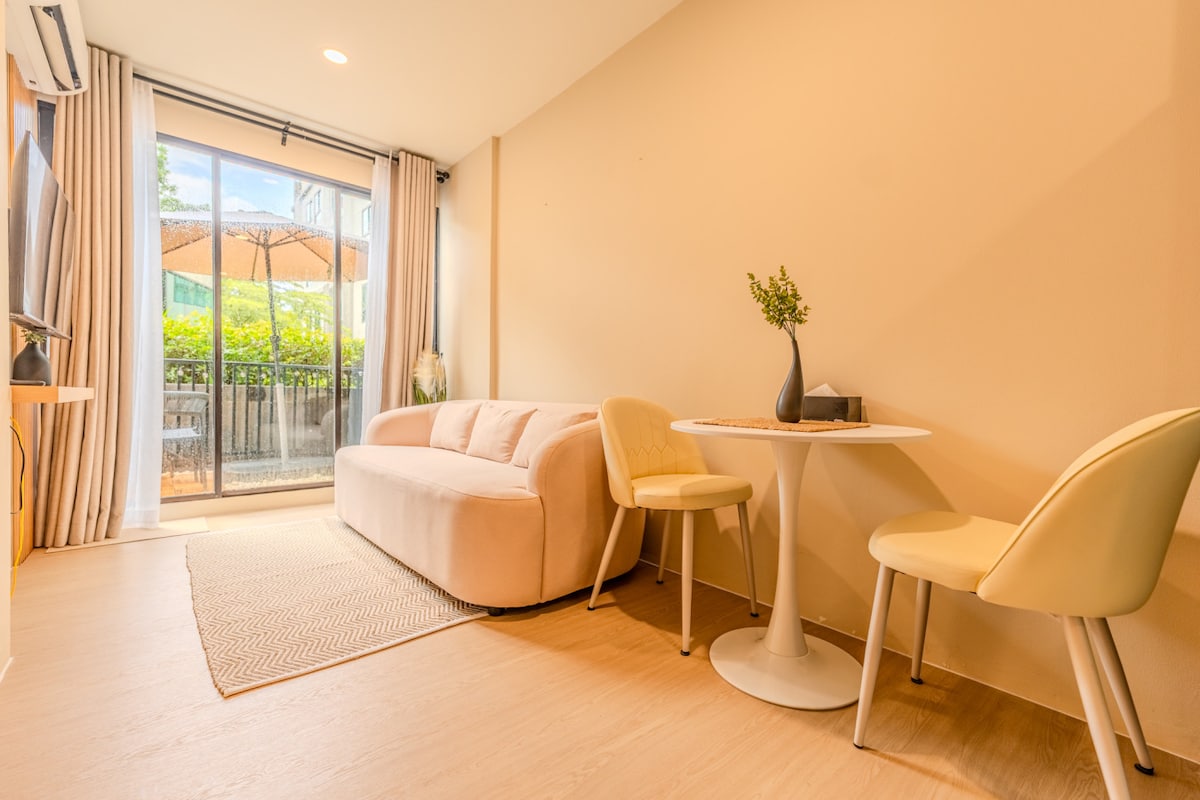
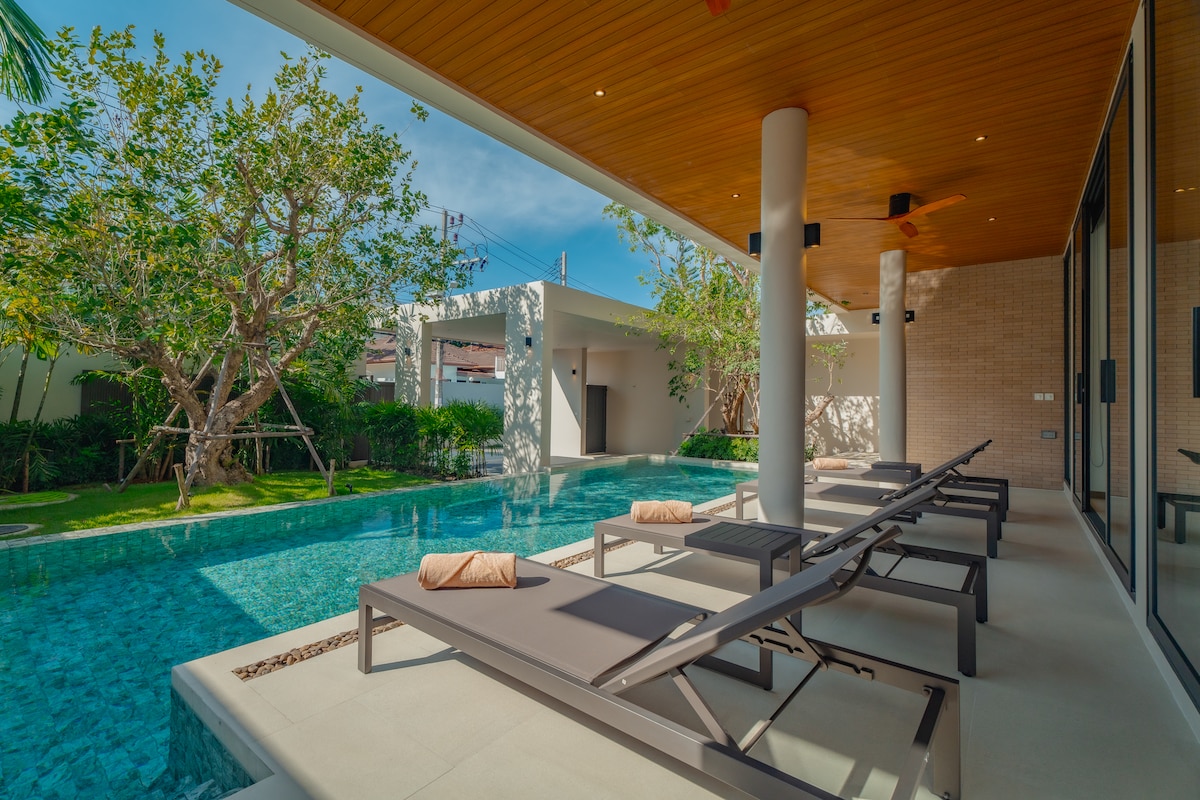
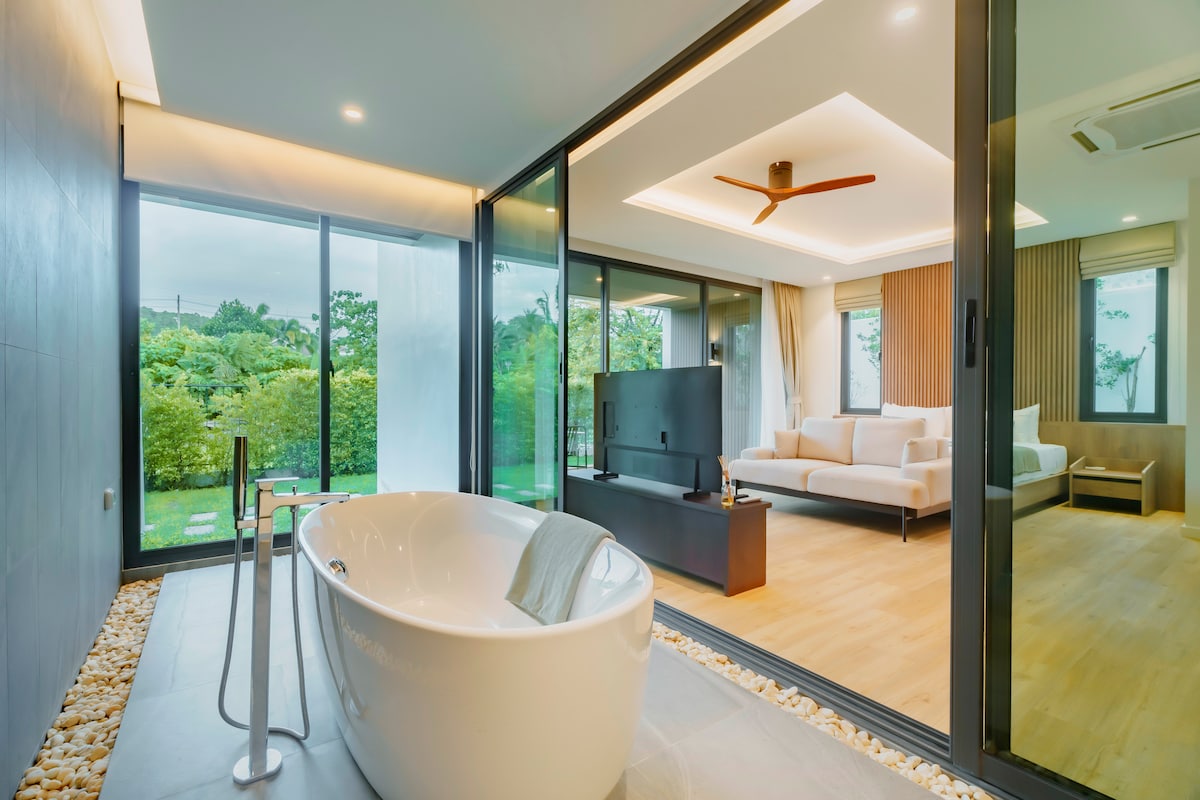
Many DTV holders spend their first month or two in a furnished holiday rental while they get to know an area, then sign a longer lease.
This is where we at Silqhaus come into the picture. Silqhaus, a Phuket and Pattaya holiday-rental company, has furnished homes across Phuket, in Bang Tao, Patong, Rawai and near Phuket Town, and condos in Pattaya, run by our own local team, which makes them an easy first base. Booking direct is always at least 10% below Airbnb and Booking.com for the same home and dates.
Frequently Asked Questions
How long can I stay in Thailand on the DTV?
Up to 180 days per entry, extendable once by up to 180 days, over a 5-year multiple-entry validity.
How much money do I need for the Destination Thailand Visa?
At least 500,000 THB, shown on a recent bank statement.
Can I work in Thailand on a DTV?
You can work remotely for employers or clients outside Thailand. The DTV is not a work permit for Thai employers.
Do I need a police certificate for the DTV?
Yes, since 31 August 2026. How recent it must be depends on the embassy: within 6 months in London, and an FBI certificate within 3 months in Los Angeles.